



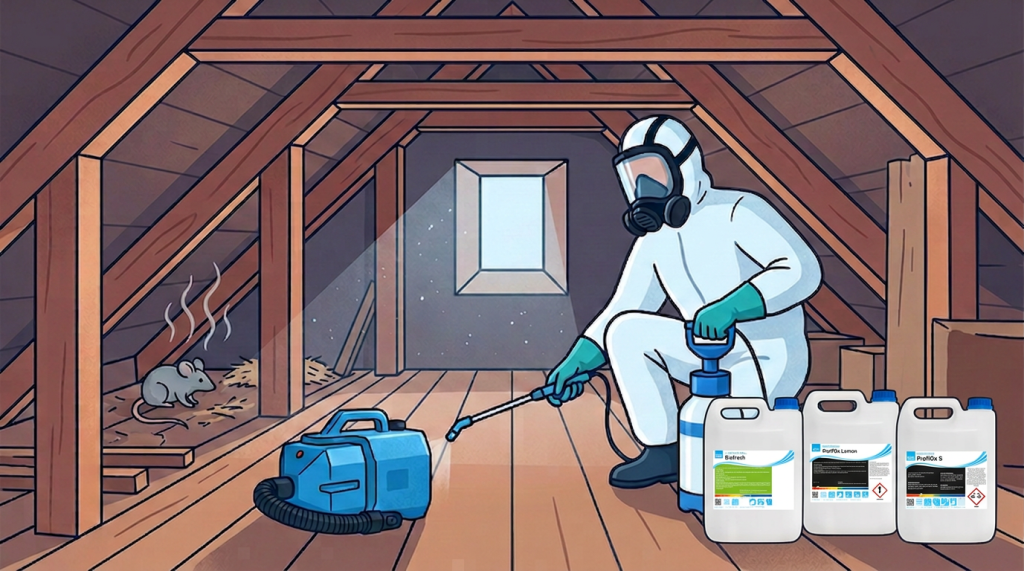
The smell of urine, faeces, vomit and pest droppings can be some of the most difficult things to get rid of during a decontamination job. The odour often penetrates deeper than is visible to the naked eye, particularly in porous materials such as wood, concrete, chipboard, insulation and textiles.
That is why simply cleaning the surface once is rarely enough. First, the source must be removed. The area must then be cleaned, treated for odours and, if necessary, given a follow-up treatment, step by step. The aim is not to mask the odour, but to remove the cause of its recurrence.
Here is the method we recommend for dealing with biological odours caused by urine, faeces, vomit, rats, mice and other pests. It can be used as a practical step-by-step guide when out on a job.
Biological odours are not just about unpleasant smells. They can also be caused by infection, organic contamination and hidden sources that continue to give off odours.
Important before you start
- Define the area and assess the biological risk
- Remove people and animals from the area to be treated
- Wear chemical-resistant gloves, eye protection, full-body protective clothing and suitable respiratory protection
- Switch off ventilation and any sources of ignition whilst fogging – and ventilate the area thoroughly once the treatment is complete
- Do not mix chemicals
- Identify and remove the source itself before using a deodoriser
If the odour returns after treatment, this is often a sign that the source has not been completely removed, or that the odour is lingering in an area that the treatment has not reached.
Download the methodology poster as a PDF
Would you like the whole method summarised on a single page? Download the method poster featuring the seven steps, product selection, safety points and a checklist. It is designed to be printed out and used in the car, in the warehouse or whilst out on a job.
Quick product selector
Use this as a simple rule of thumb when choosing a product:
| Situation | Recommended product |
|---|---|
| Extreme odour coming directly from the source area | Biofresh |
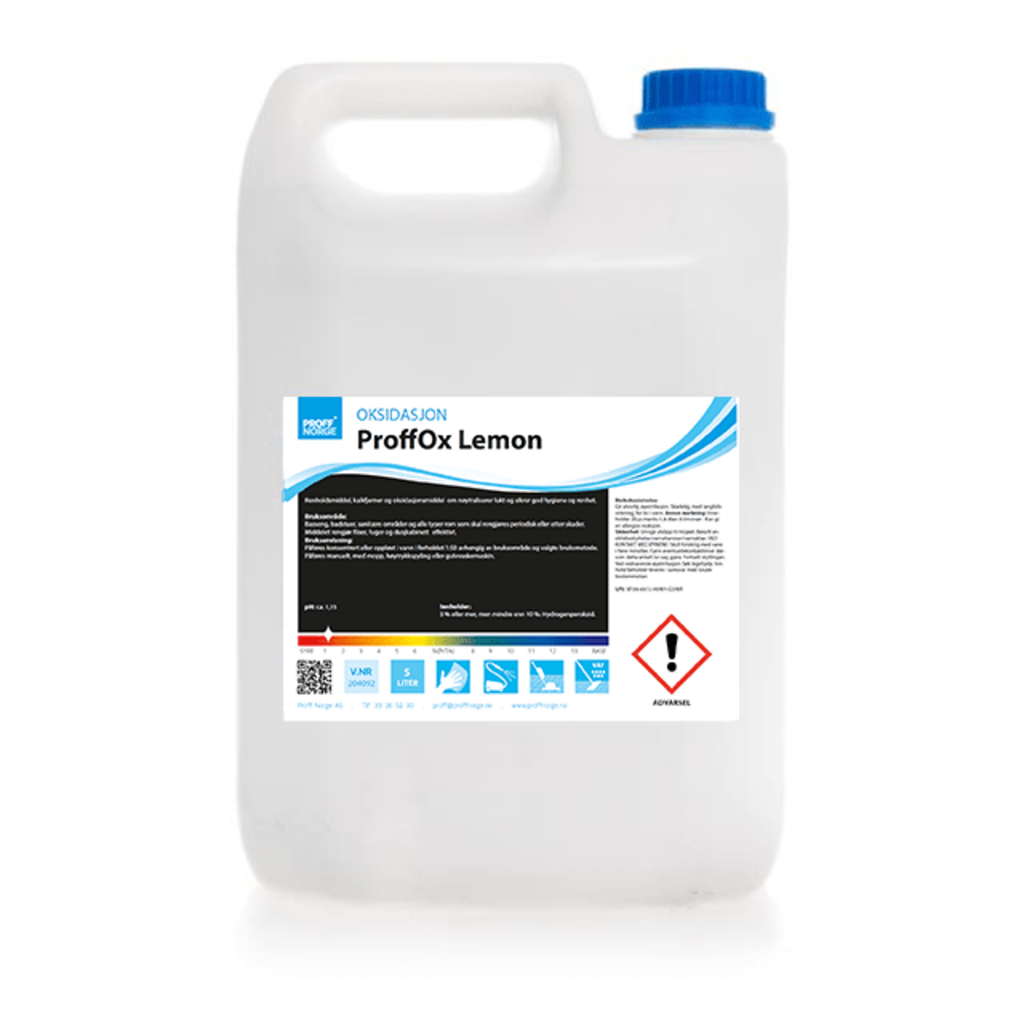
| Thorough washing before further odour treatment | ProffOx Lemon |
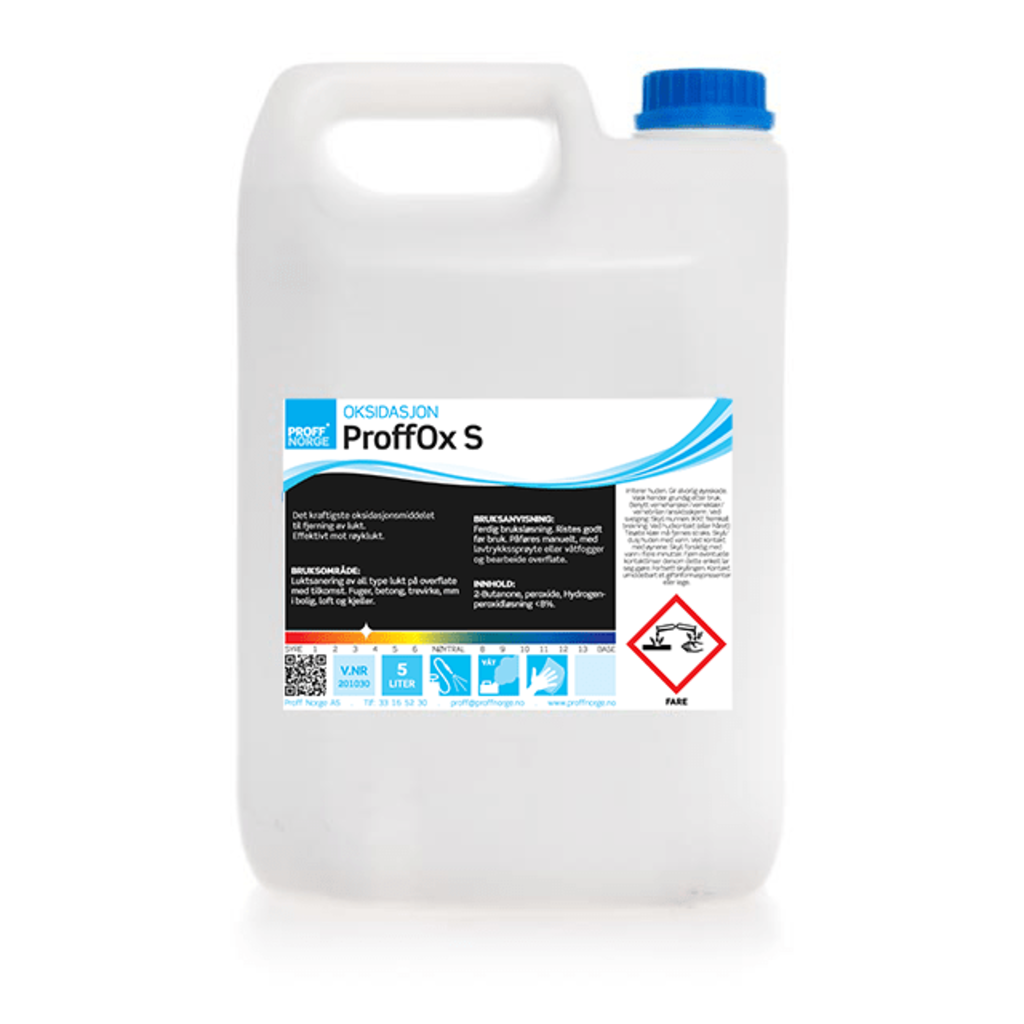
| Porous surfaces after washing and using Biofresh | ProffOx S |
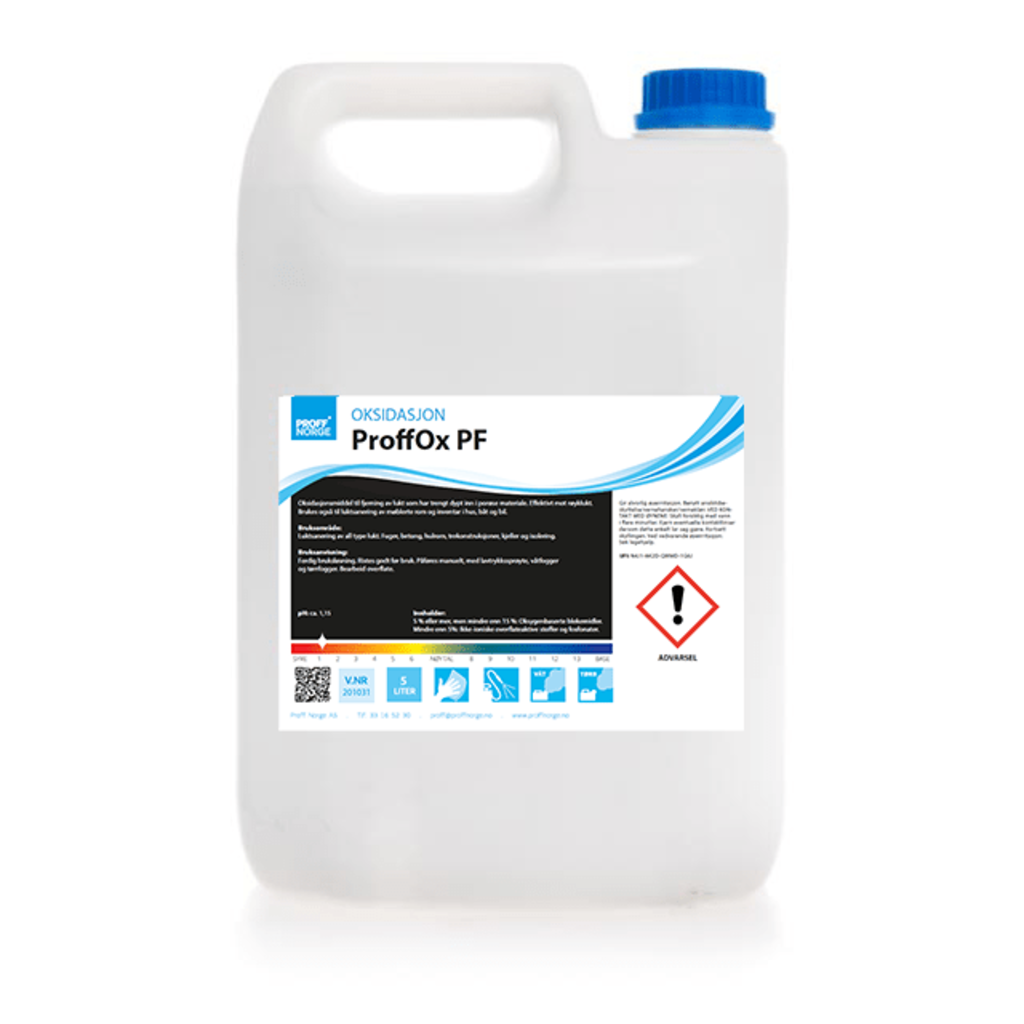
| Persistent odours in furnished rooms | ProffOx PF |
| Strong odour in empty rooms, cavities or structures | ProffOx Max |
Seven-step odour and hygiene treatment
The order is important. If you skip straight to fogging or disinfecting whilst the source is still there, the smell will often return.
1. Remove the source and heat the room
Start by identifying the actual source of the odour. It could be urine, faeces, vomit, dead animals, nesting material or contaminated materials that are still giving off an odour.
Remove anything that can be removed. Cut into the material where necessary, and consider whether porous materials should be discarded rather than treated.
Then heat the room to at least approx. 25 °C before carrying out the odour treatment. Heat activates the odour and helps the chemicals work more effectively.
2. Start with Biofresh if there is a strong odour
If the odour is strong, you should start by applying Biofresh directly to the most affected area.
Use Biofresh undiluted or diluted up to a ratio of 1:10, depending on how strong the odour is. Apply the product where the odour is most concentrated, and ensure that the surface is thoroughly moistened.
This is the first step in the method. The aim is to reduce the worst of the odour and start treatment where the problem is most severe.
3. Wash thoroughly with ProffOx Lemon
Once the worst of the odour has been dealt with, wash the area thoroughly with ProffOx Lemon.
Apply using a wet mop or low-pressure sprayer, and clean the surfaces mechanically where possible. It is important to remove organic contaminants, grease, dirt and residues that may trap odours.
Rinse thoroughly with clean water after washing. This is important because Biofresh does not work in combination with acidic cleaning products.
4. Treat again with Biofresh
After washing and rinsing, the area is treated again with Biofresh.
Mix at a ratio of 1:10 or adjust the concentration as required. Apply using a wet mop or low-pressure sprayer, preferably when the room temperature is between 25 and 30 °C.
Leave the product to work for at least 30 minutes. If the smell is strong, you can leave it on until the next day. Repeat the treatment if the smell is still noticeable after drying and airing the room.
5. Finish with ProffOx S
Once the Biofresh treatment has been carried out, you can treat any exposed surfaces and porous materials with ProffOx S.
Apply using a wet mop. The product should not be rinsed off, but left to work on the surface.
This step is particularly useful where odours have penetrated porous materials, or where you wish to carry out an additional treatment after the main wash and Biofresh.
6. Use a dry fogger if the smell persists
If the odour persists after thorough cleaning, odour treatment, drying and ventilation, dry fogging may be the next step.
Use ProffOx PF in furnished rooms, or where there are textiles, fixtures, books, documents and other materials that need to be taken into account. Use ProffOx Max for the most severe cases, particularly in empty rooms, cavities and structural elements.
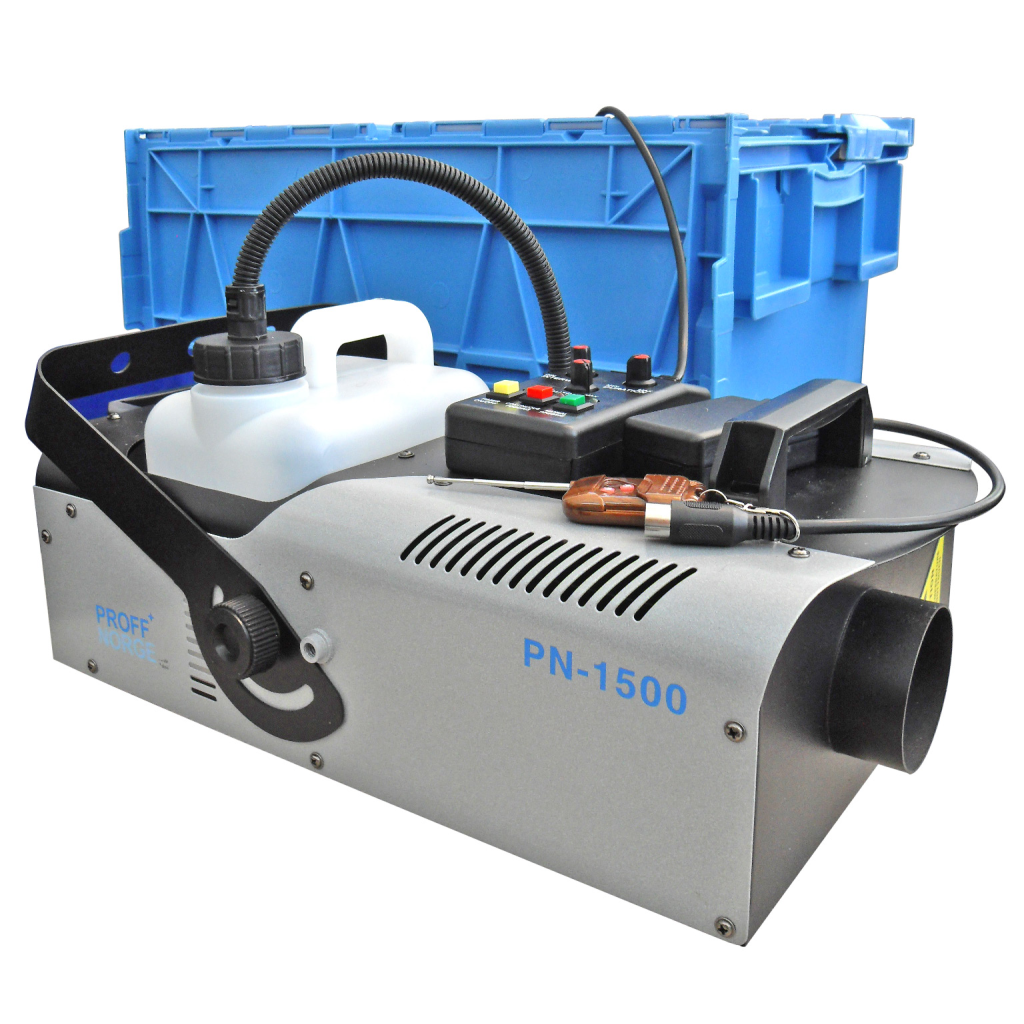
Dry fogging is carried out using a PN1500 thermal fogger. The room must be clear of people and animals during treatment, and appropriate personal protective equipment must be worn.
7. Check the result
Always check for any odour once the surface is completely dry and well ventilated. A damp surface may appear odourless immediately after treatment, but the odour may return as the material dries.
So please check:
- Has the source been removed?
- Is the area dry, and is the room well-ventilated?
- Do odours still emanate from porous materials?
- Could the smell be coming from cavities, skirting boards, the floor or the building structure?
- Does the treatment need to be repeated or stepped up?
Document the treatment and assess whether further remediation is necessary.
Why is the smell of urine so difficult to get rid of?
Urine odours are difficult to tackle because the source is often deeper than the surface. Urine can seep into wood, concrete, chipboard and insulation. When the humidity rises, the smell can return, even if the area seemed clean immediately after washing.
When it comes to pests, the problem is often more complex. Rats and mice can leave behind urine, faeces, nesting material and dead animals in cavities, behind walls, under floors or in other places that cannot be reached by ordinary cleaning.
That is why the method is structured like a staircase. You start by removing the source. Then you wash and treat the odour. Only if the odour persists do you move on to a more intensive treatment.
Two factors often determine the outcome: the room must be warm enough – a temperature of around 25 °C or higher gives better results. And the products must be left to work for long enough – Biofresh should be left to work for at least 30 minutes, or longer if the odour is particularly strong.
If the odour returns after several treatments, you should look for a hidden source before treating the same surface again.
The products in the method
The method uses several products, but each product has its own role. Biofresh is used to tackle the odour itself and is the main product in the treatment. ProffOx Lemon carries out a thorough cleaning prior to further odour treatment, and ProffOx S is used as a finishing treatment on accessible surfaces and porous materials. ProffOx PF and Max are used for dry fogging – PF in furnished rooms, Max for the most severe cases – both applied using the PN1500 thermal fogger. Wet foggers and low-pressure sprayers are used to apply the chemicals to surfaces.
Chemicals for odour control and cleaning

Dry fogging if the odour persists

Application and personal protective equipment


When will the job be finished?
The work should not be assessed immediately after cleaning. Wait until the area is dry and well-ventilated. A good result means that:
- The source has been removed and the surfaces have been cleaned
- There is no distinct smell once it has dried
- The smell doesn’t come back when the room warms up
- There are no signs of concealed sources in cavities or within the structure
- The need for dry fogging or further decontamination has been assessed
In a nutshell
Organic odours must be treated in the correct order. First remove the source, heat the room, clean thoroughly and treat the odour with Biofresh. Use ProffOx Lemon for cleaning, ProffOx S as a finishing treatment, and only proceed to dry fogging with ProffOx PF or ProffOx Max if the odour persists. Do not mix products, and always rinse away any acidic residues before using Biofresh.
If you’re unsure whether to start with Biofresh, ProffOx S, PF or Max, we can help you choose the right method based on the odour, the material and the extent of the damage.
If the odour is associated with a death, a carcass or rotten food, see the method in Odour control for biological odours. If the smell is coming from the drains or sewers, see the method in Sewer odour following a drain blockage.