



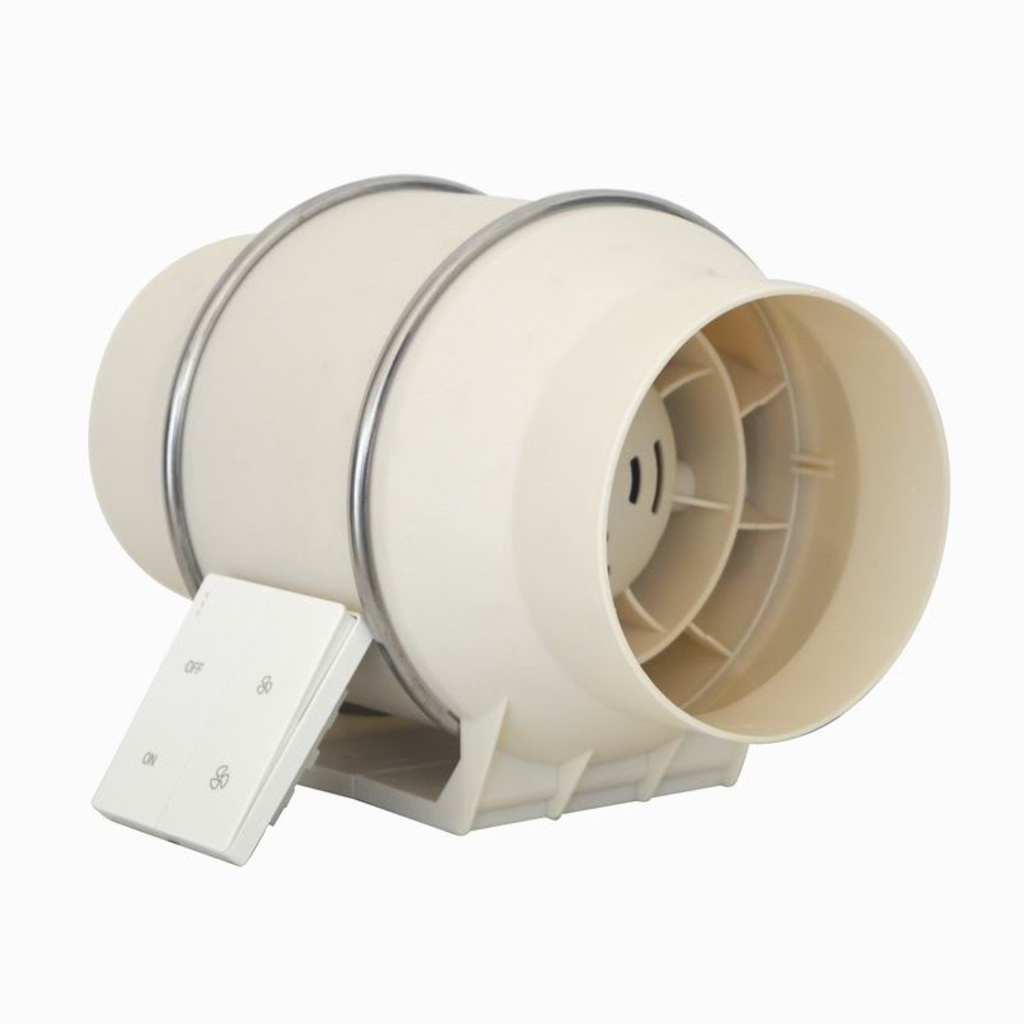
Duct fan 100mm 4"
Quiet duct fan 100mm 4" Duct fan from Proff Norway (100 mm / 125 mm) with connection for hoses. Provides efficient air exchange...
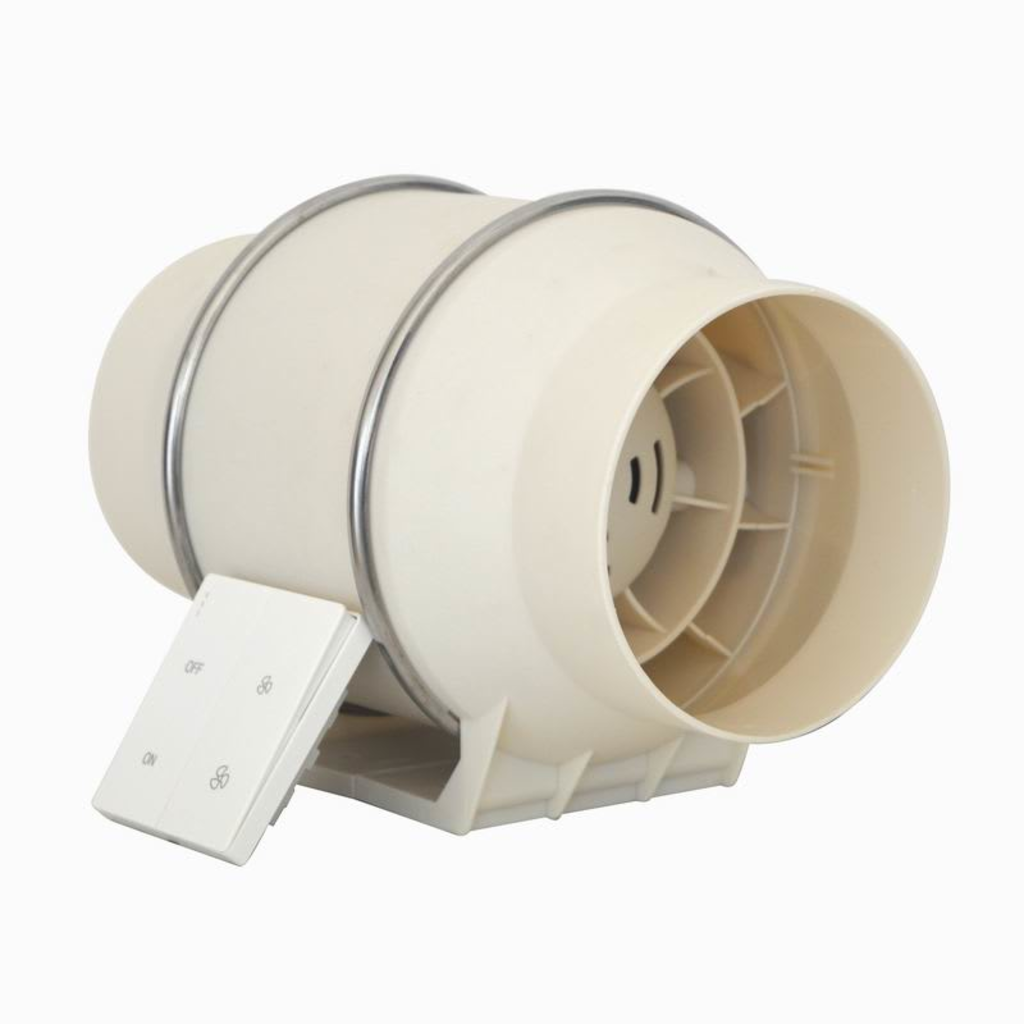
Duct fan 125mm 5"
Quiet duct fan 125mm 5" Duct fan from Proff Norway (100 mm / 125 mm) with connection for hoses. Provides efficient air exchange...

ProffOx DES 5 L
PROFFOX DES Disinfectant and Oxidation Area of application: Liquid agent for disinfecting surfaces. The agent disinfects, provides powerful oxidation and neutralises all types of odours....
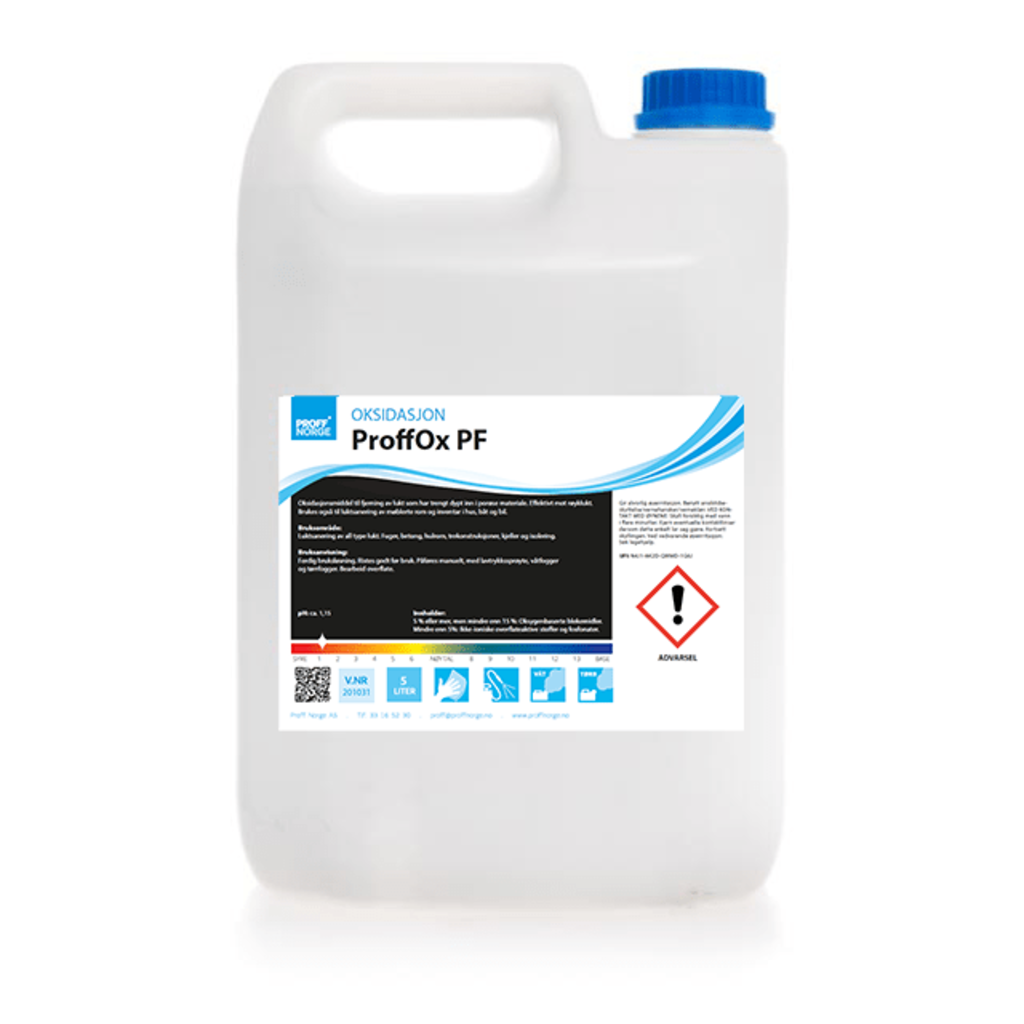
Proffox PF 5 L
Oxidising agent with very high penetration capacity and therefore ideal for combating odours together with dry or damp cleaning. Oxidises residues...
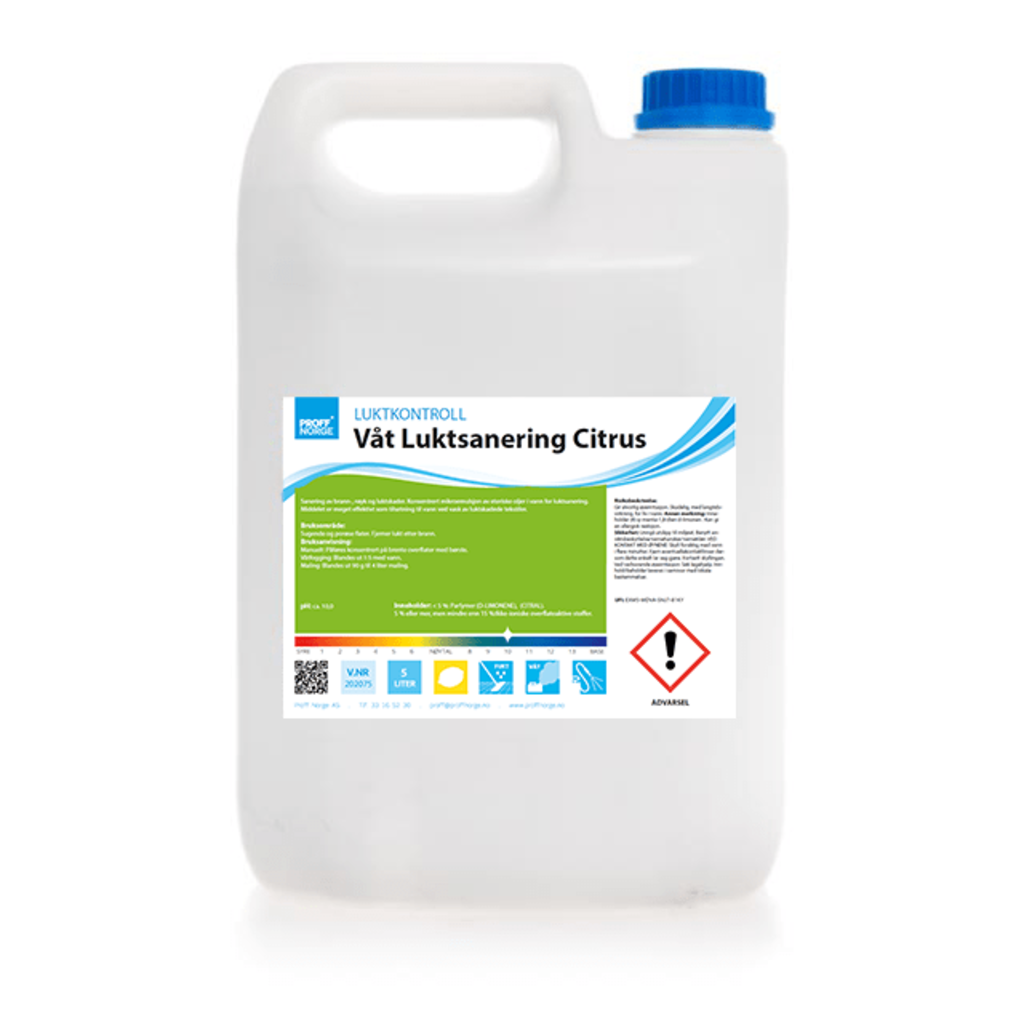
Wet odour removal Citrus 5 L
Remediation of fire, smoke and odour damage. Concentrated microemulsion of essential oils in water for odour remediation. The product is highly effective as...
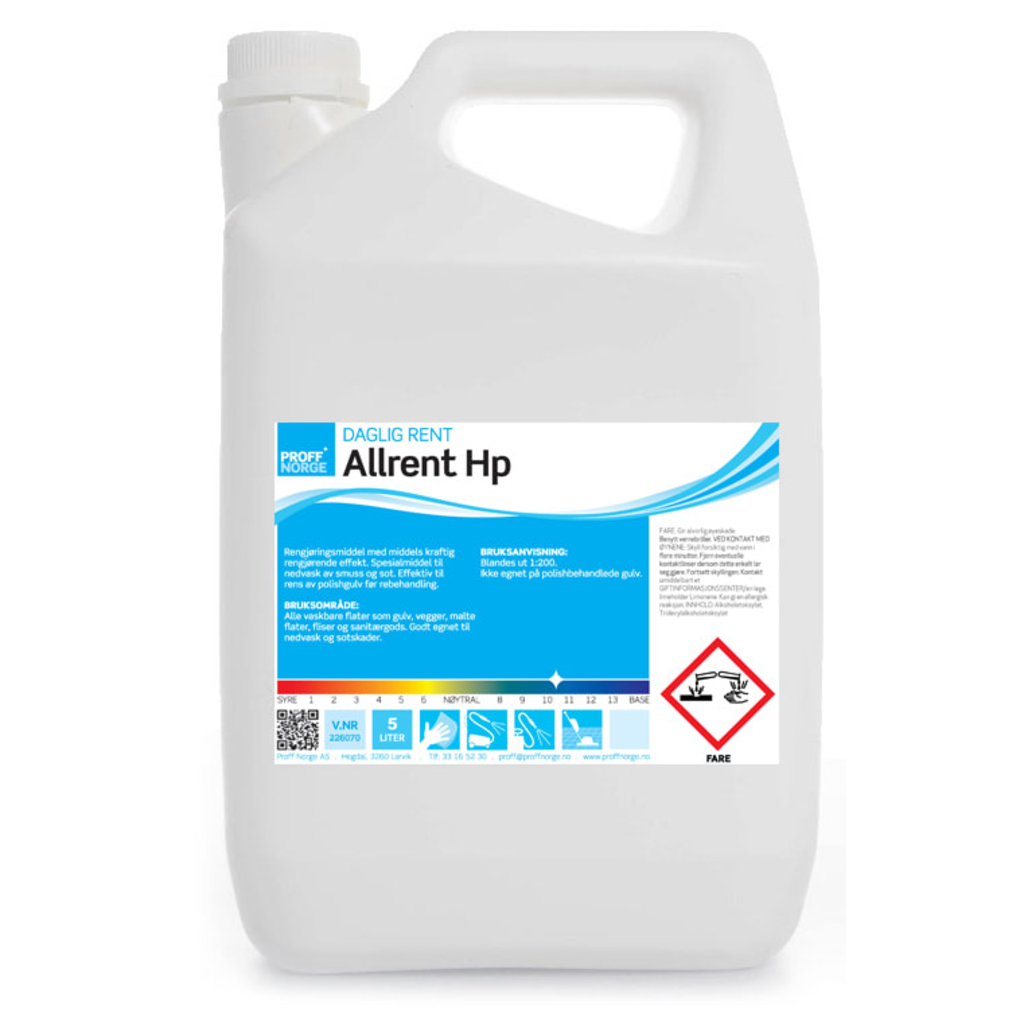
All-purpose cleaner HP 5L
null

Biofresh 5 L
Cleaning agent and odour control after damage to toilets, drains, bathrooms, sinks, waste rooms and containers, mats, textiles, mops. For both industrial and domestic use. Instructions for use:...
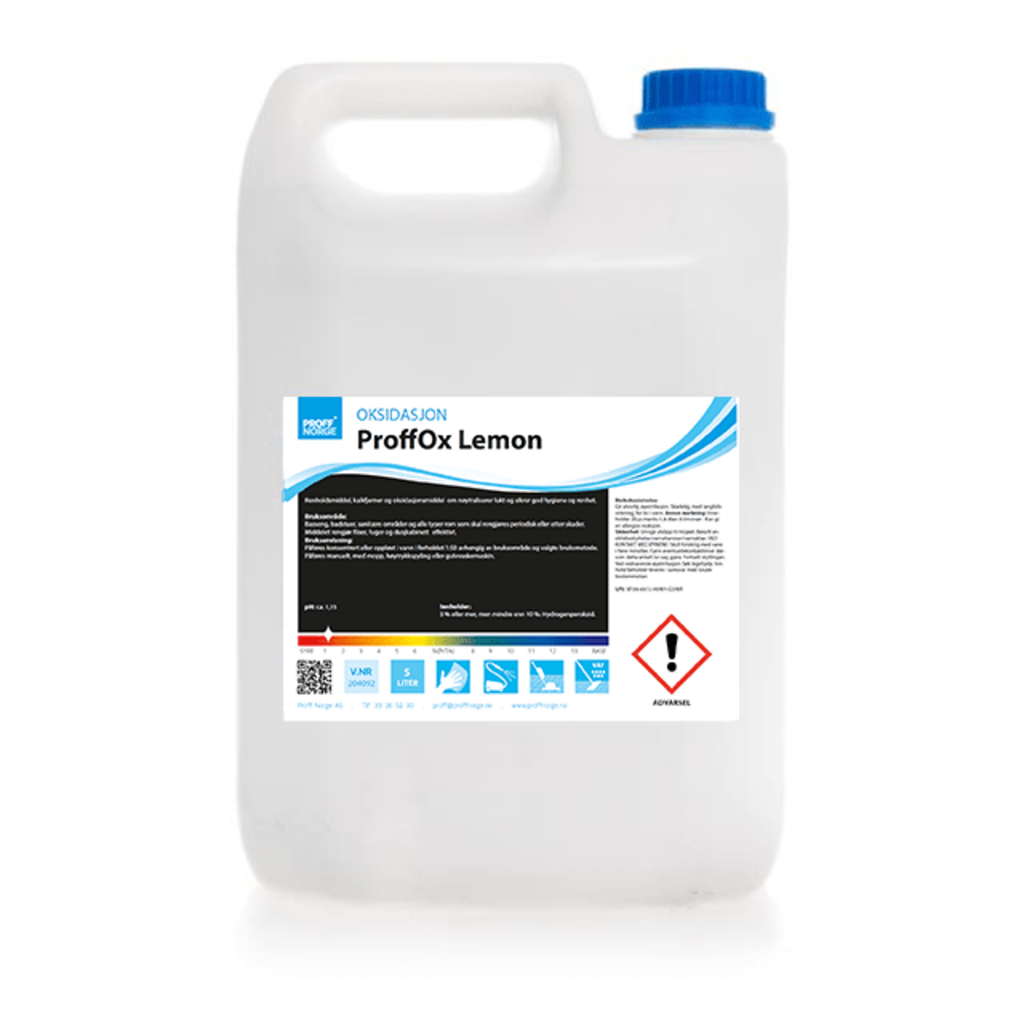
Proffox Lemon 5 L
Cleaning agent, limescale remover and oxidising agent that neutralises odours and ensures good hygiene and cleanliness. Area of use: Swimming pools, saunas, sanitary areas and all types of rooms...
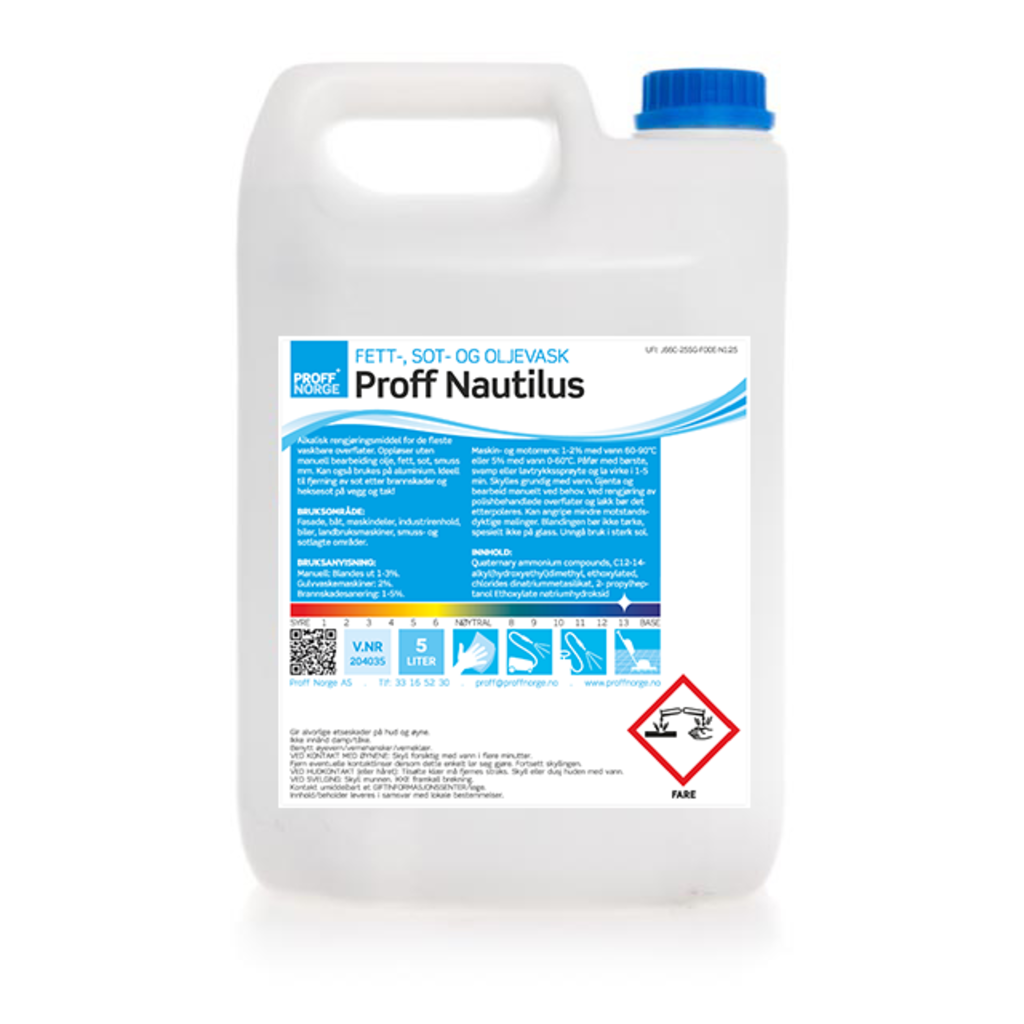
Pro Nautilus 5L
Very good cleaning agent with powerful cleaning effect. For all washable surfaces such as floors, walls, painted surfaces, tiles and sanitary ware. Good...
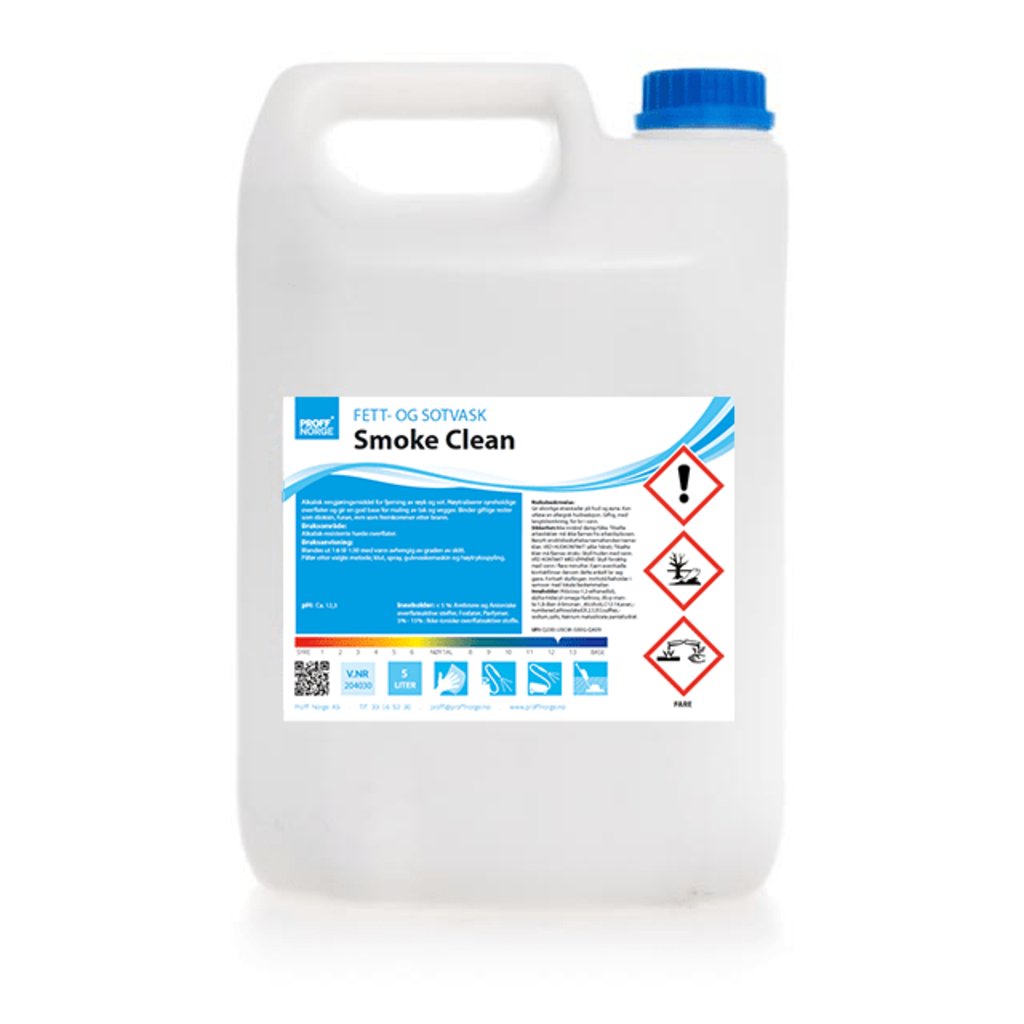
Smoke Clean 5 L
Neutralises acidic surfaces and binds toxic residues such as dioxin, furan, etc. that appear after a fire. Removes soot and neutralises odours....

Wet fogger 6L with hose
A wet fogger is an effective aerosol generator based on ULV (Ultra Low Volume) technology. The ULV device has the ability to apply and disperse...
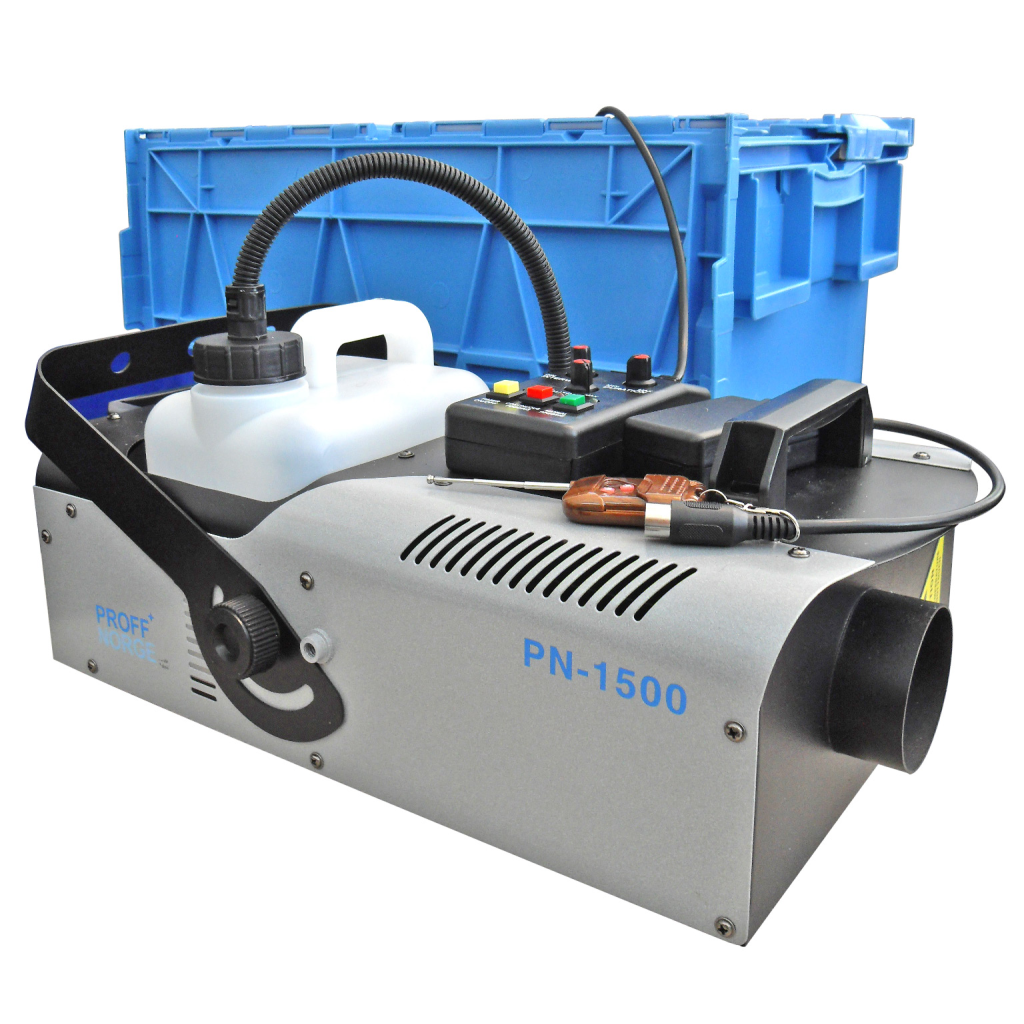
PN1500 thermal fogger
A compact and powerful electric thermal fogger (dry fogger) for odour remediation in small and medium-sized areas. Dry foggers are specially designed aerosol generators. By...
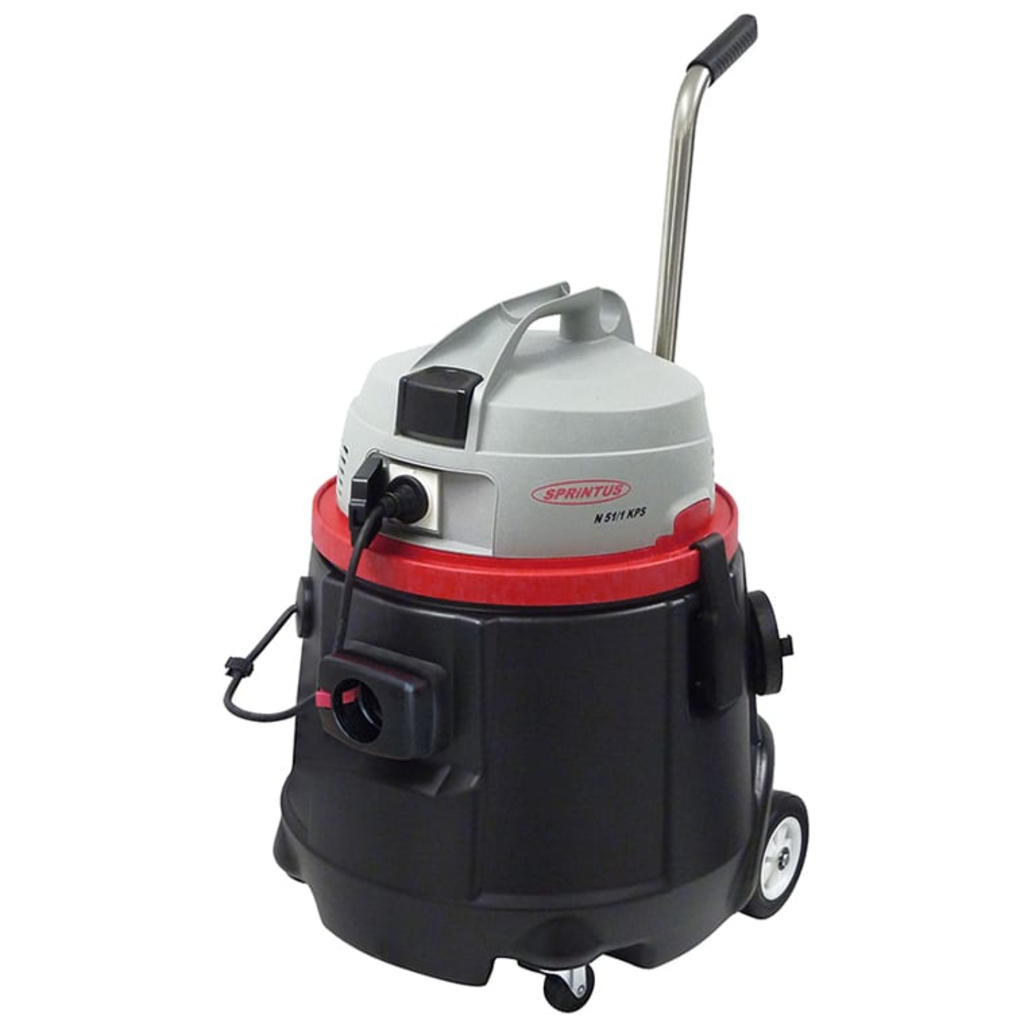
Water vacuum cleaner N51 with drain pump, 2 hoses 10+6 m
Water extractor with sump pump, high performance and extreme pumping capacity. Removing water following flooding and other restoration and cleaning tasks. The N51, with its 50...
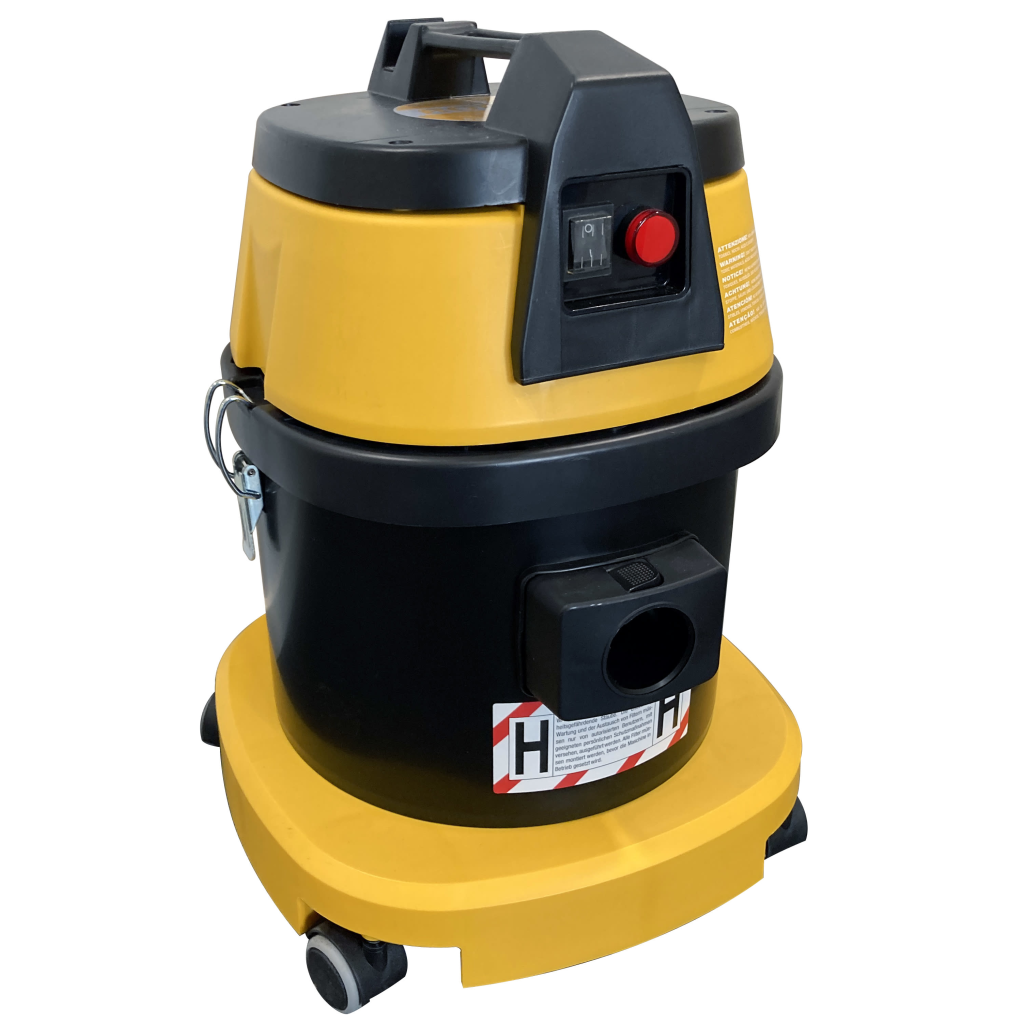
Industrial vacuum cleaner Ronda 40H 1100w
RONDA 40H is the small, compact H-class vacuum cleaner for professional use. It is designed to collect small amounts of harmful...
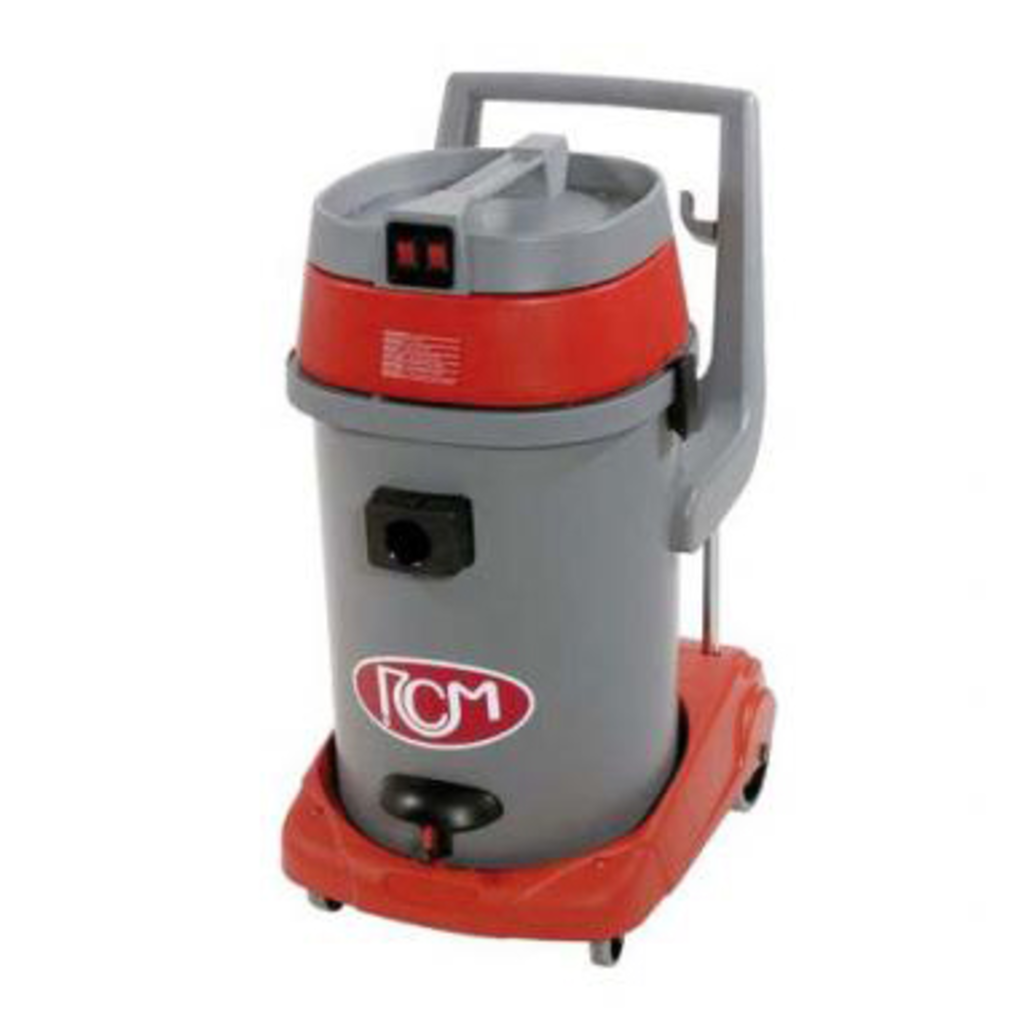
Dust and water vacuum cleaner R590
The R590 is the machine for larger daily cleaning tasks that require high suction power. Suitable for manufacturing companies, workshops, garages, agriculture, warehouses, etc.
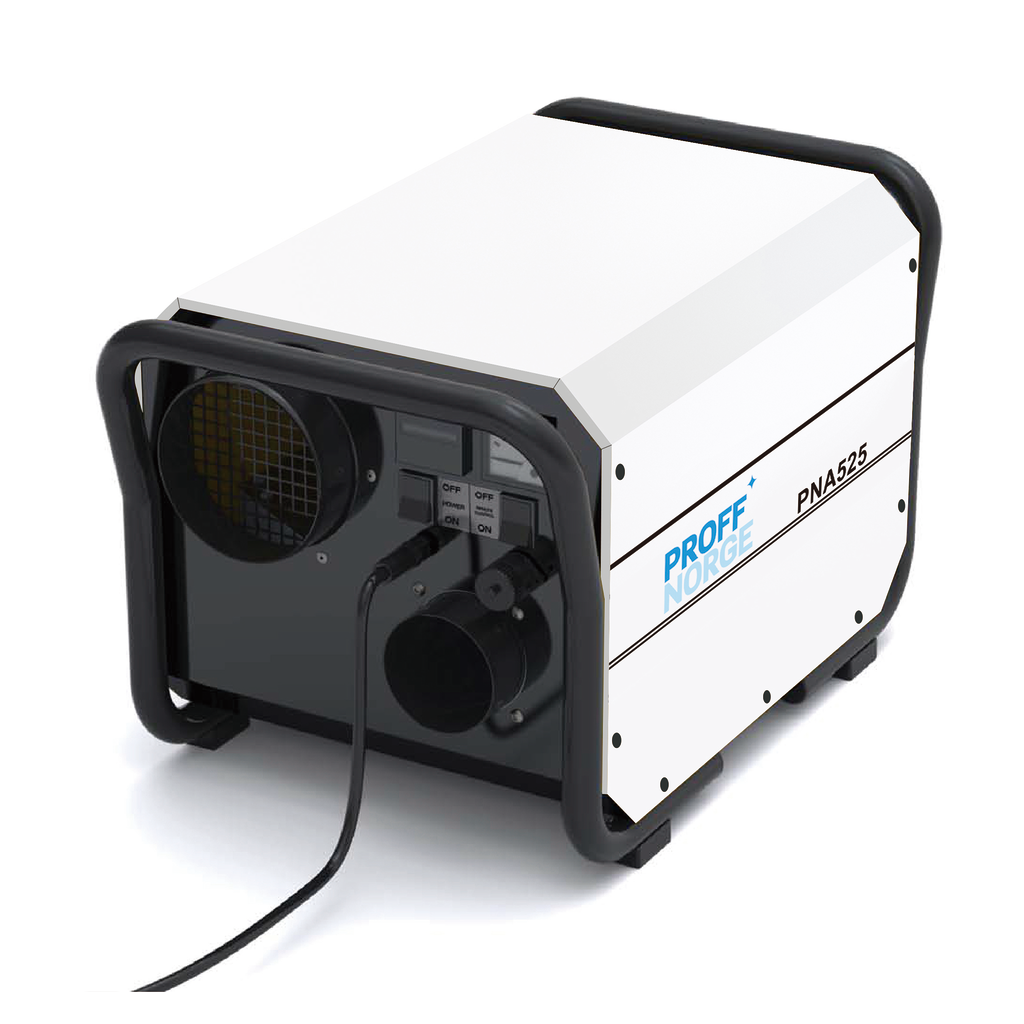
Dehumidifier PNA525 Adsorption
This robust adsorption dehumidifier is constructed from painted, galvanised steel with additional steel pipe protection for maximum durability. It is effective...
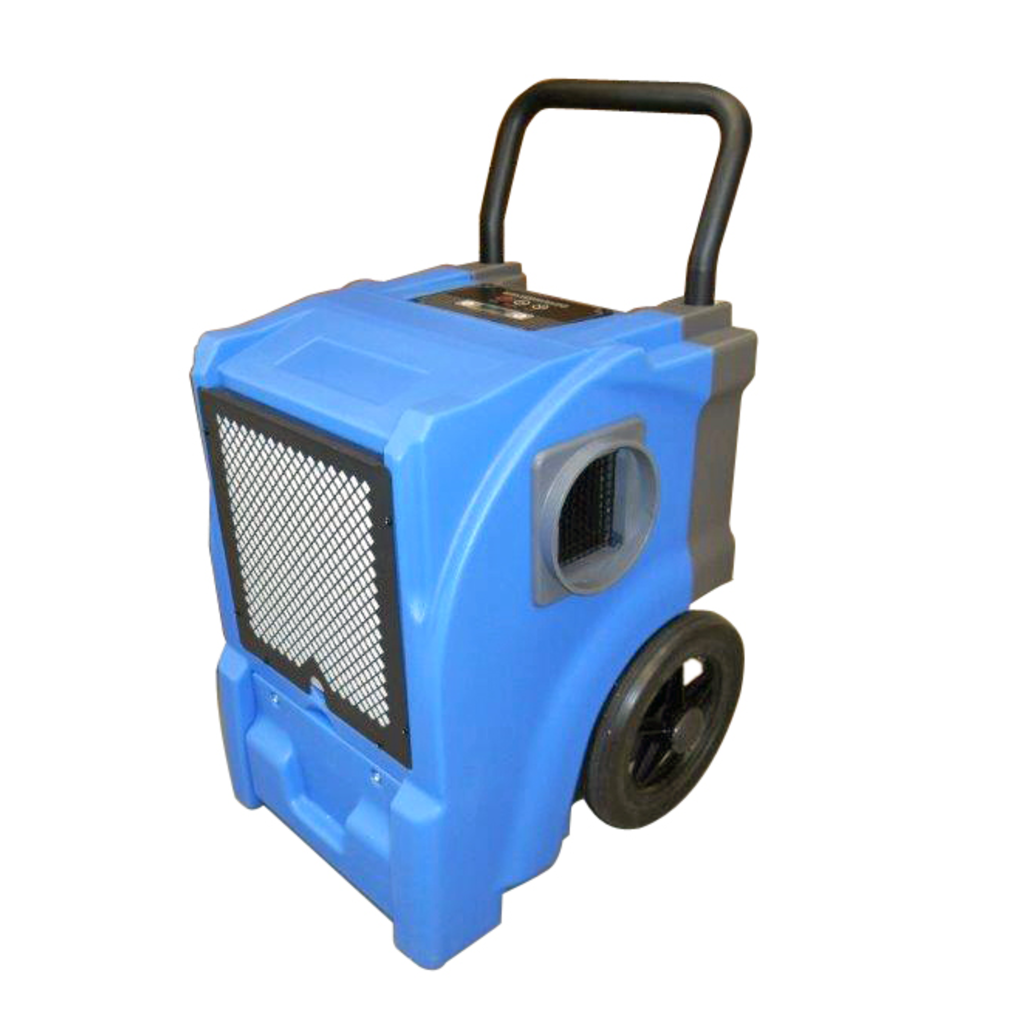
Condensation dehumidifier PNA55L
The PNA55L is a compact and powerful dehumidifier, moulded from impact-resistant polyethylene for maximum durability. It removes up to 55 litres of water...
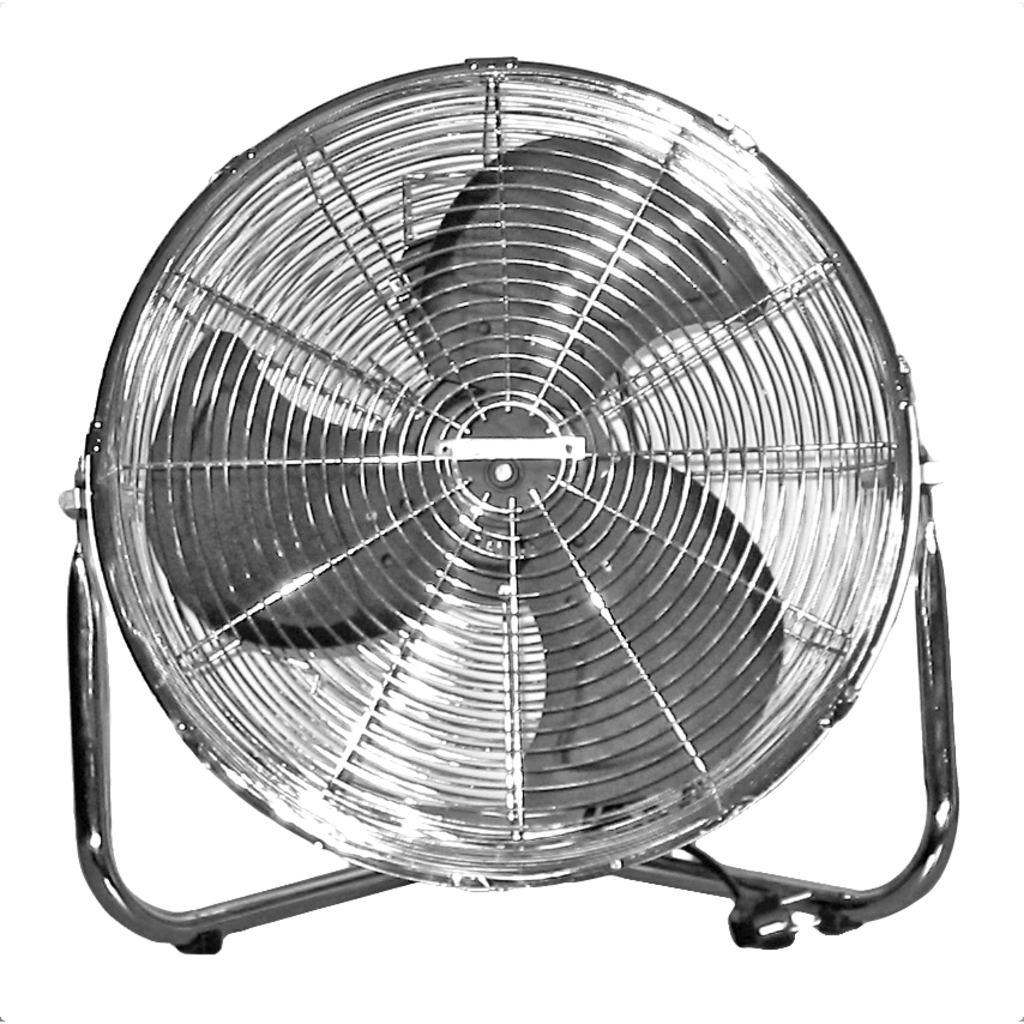
Proff Axial 50 cm drying fan with floor stand
Industrial fan in chrome-plated steel with aluminium blades and low floor stand. Equipped with 3-speed fan speed that effectively cools large areas in...
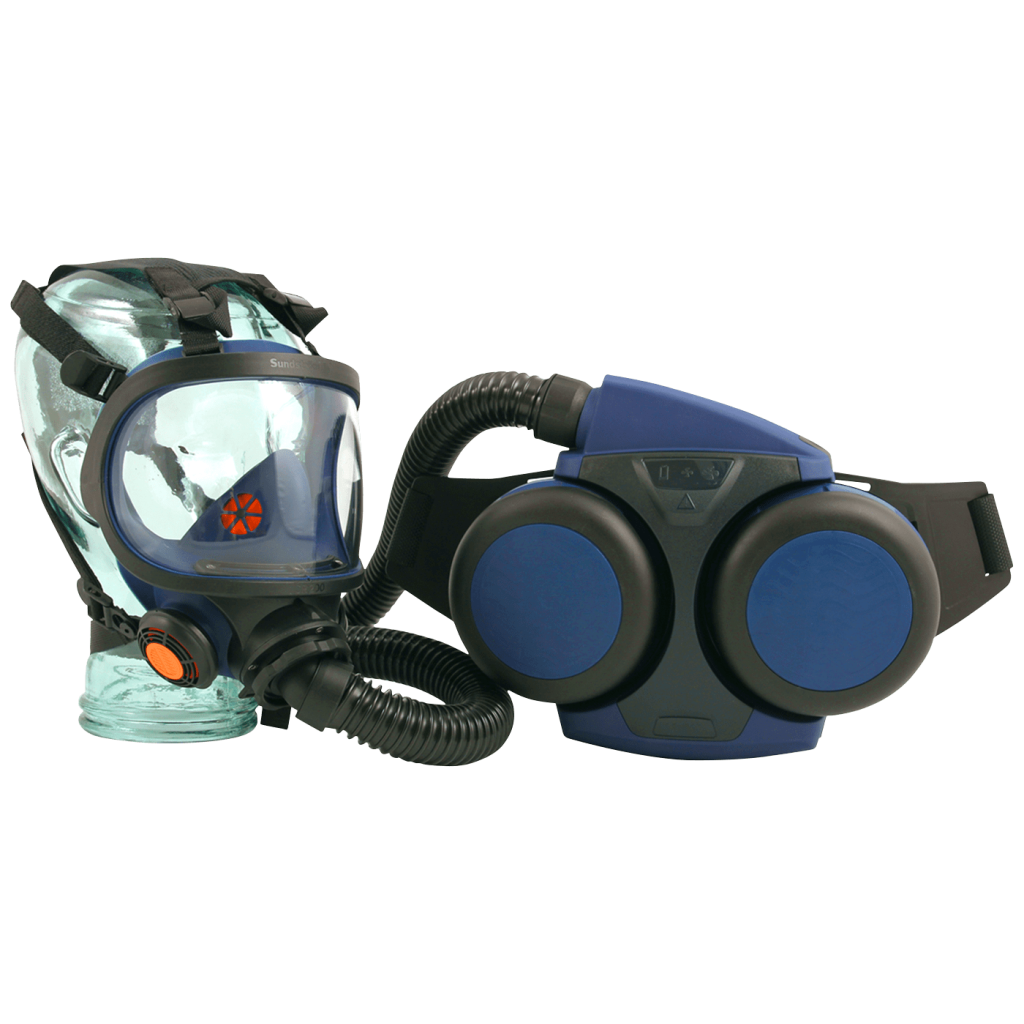
Full-face mask SR500/200 complete with fan-driven Sundstrøm
Lightweight fan pack with anatomically shaped fan and belt for high comfort. Easy operation with just one button. Two...
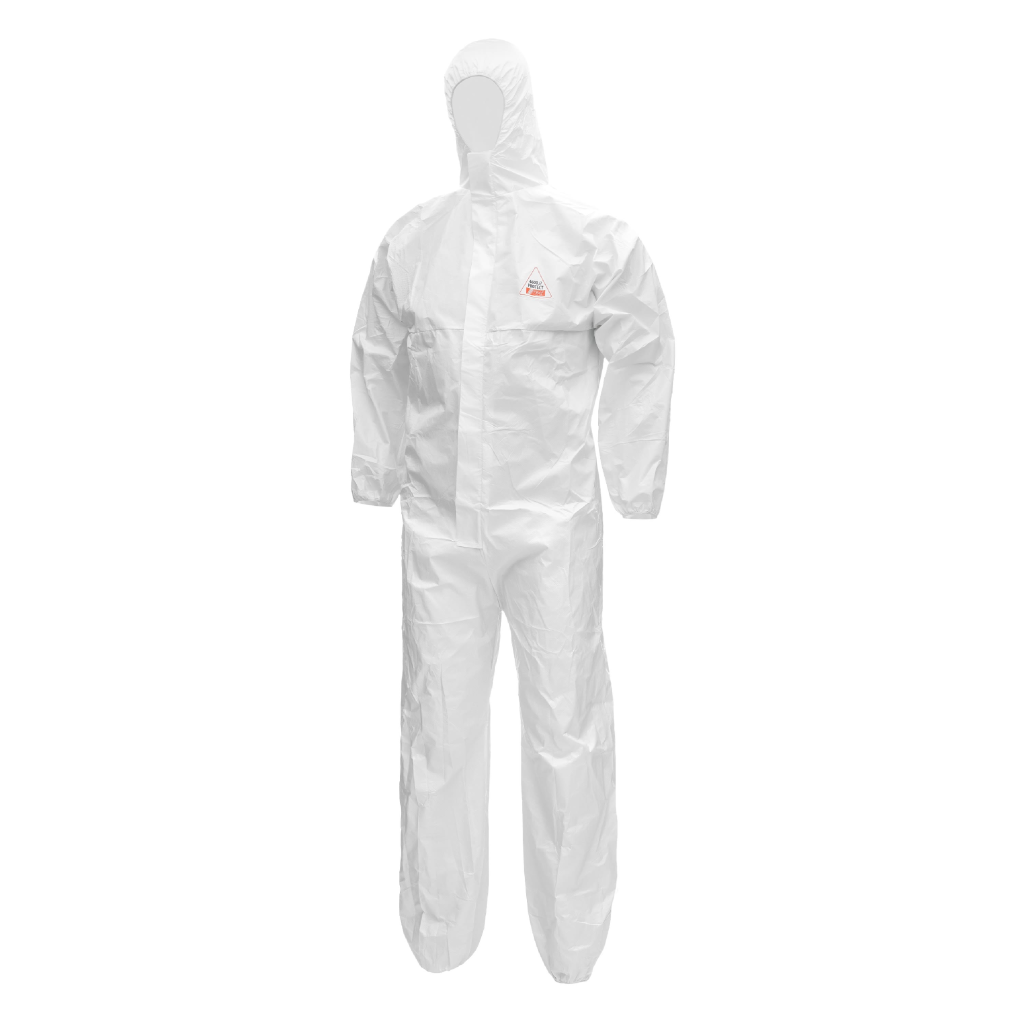
Disposable suit 4600 type 5-6 size XL
Disposable suit designed for high safety and comfort. The advanced fabric with laminate film ensures breathability while providing...
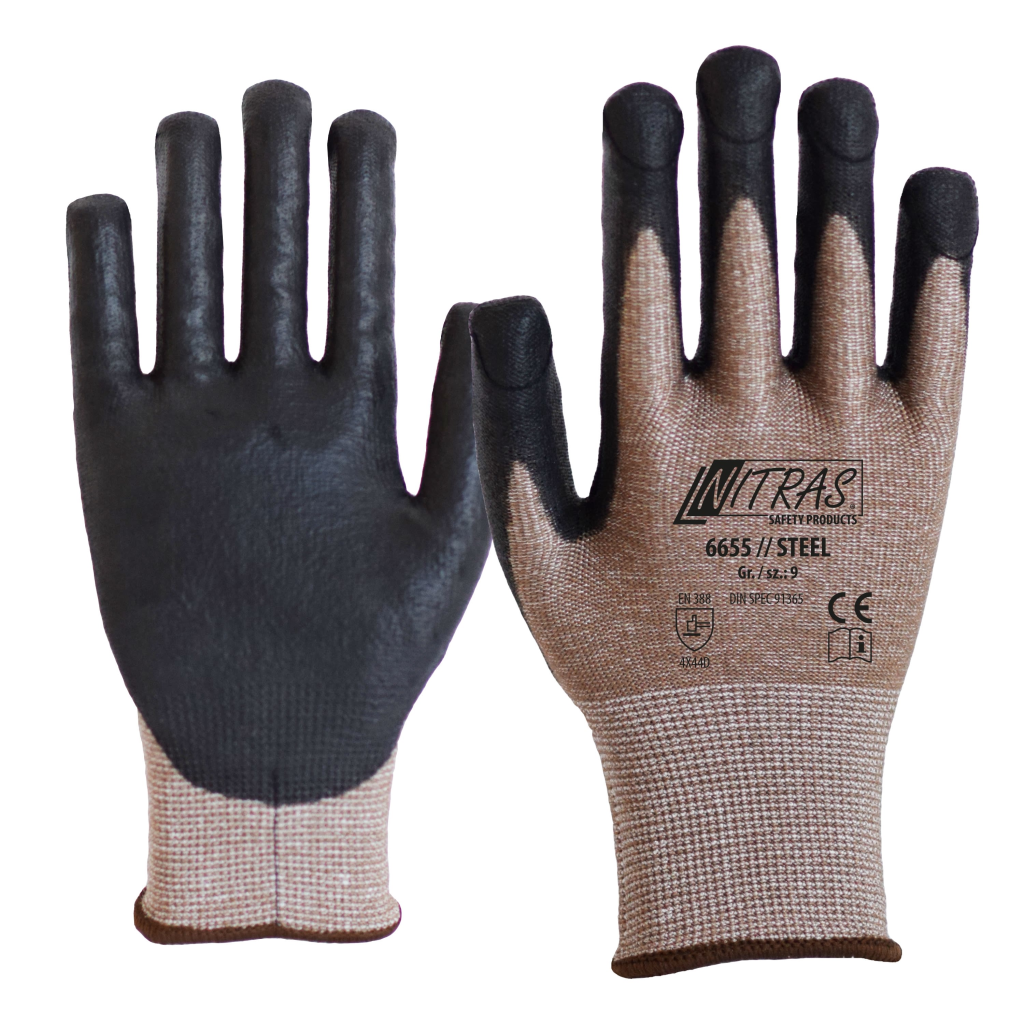
Needle and cut glove size 10
Needle and cut glove, special yarn, brown, PU coating, black, partially coated on palm and fingertips, knitted cuff, high cut resistance, highest comfort of use,...
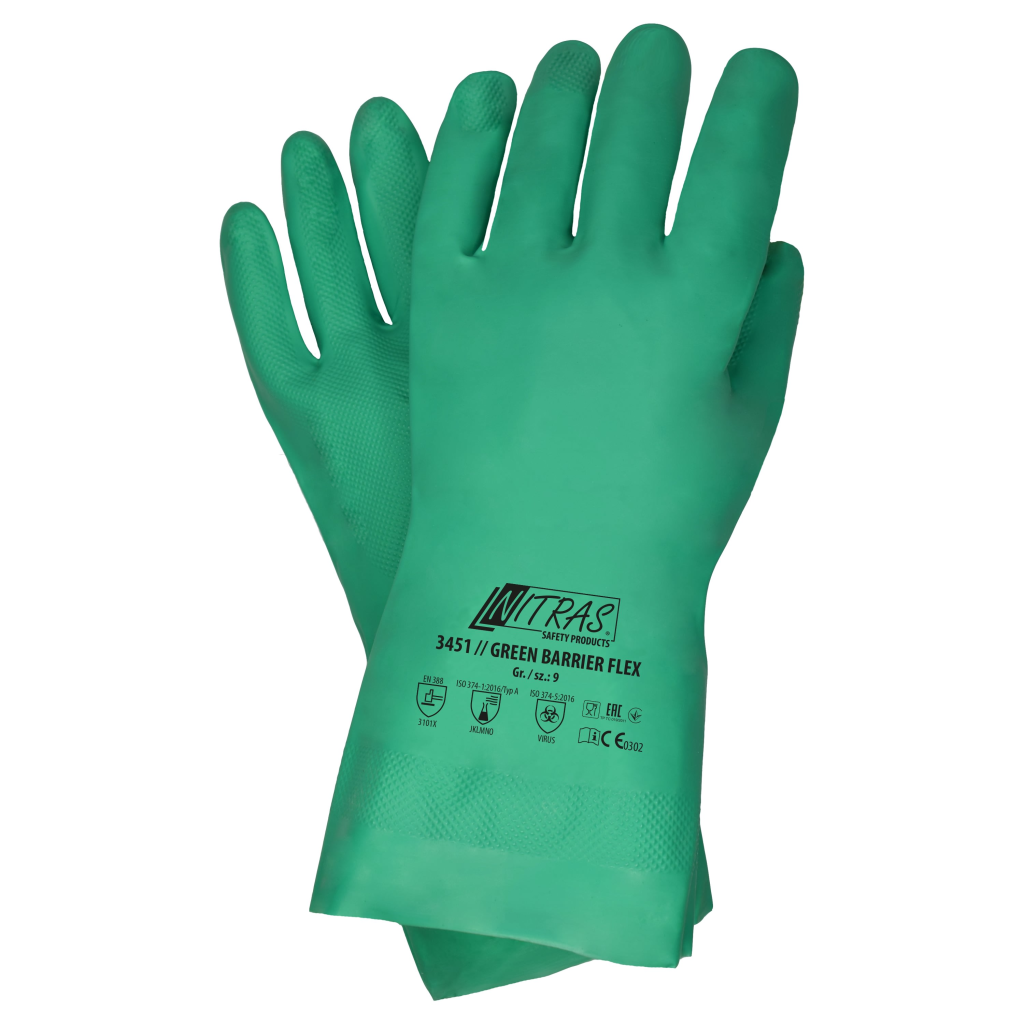
Chemical glove Nitrile size 10
GREEN BARRIER FLEX, chemical protection gloves, thick nitrile, green, length 33 cm, brushed inside, protection against microorganisms, bacteria and viruses, suitable for...
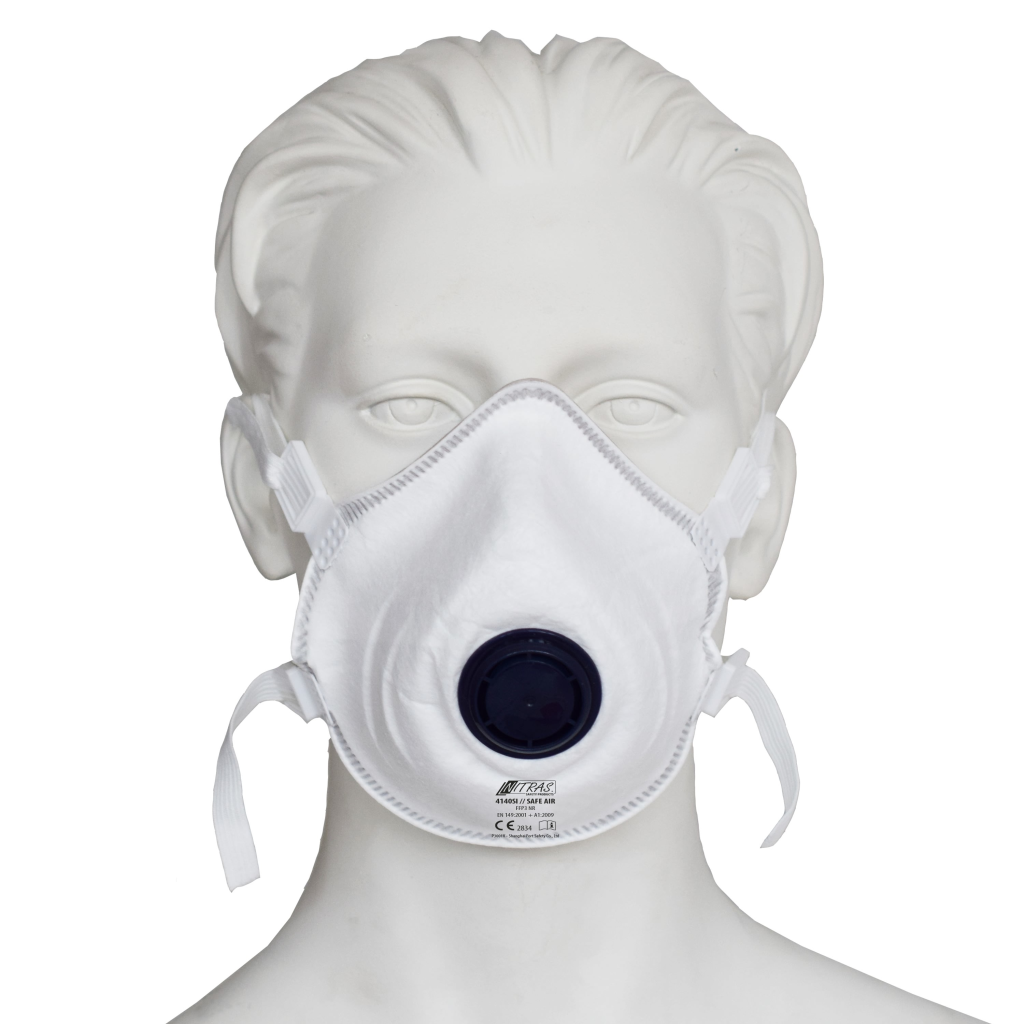
Dust mask with valve P3, 10 pcs
White dust mask with valve and adjustable white straps. A surrounding foam edge provides excellent sealing. Suitable for spectacle wearers (protective glasses). Protection class FFP3 For use...
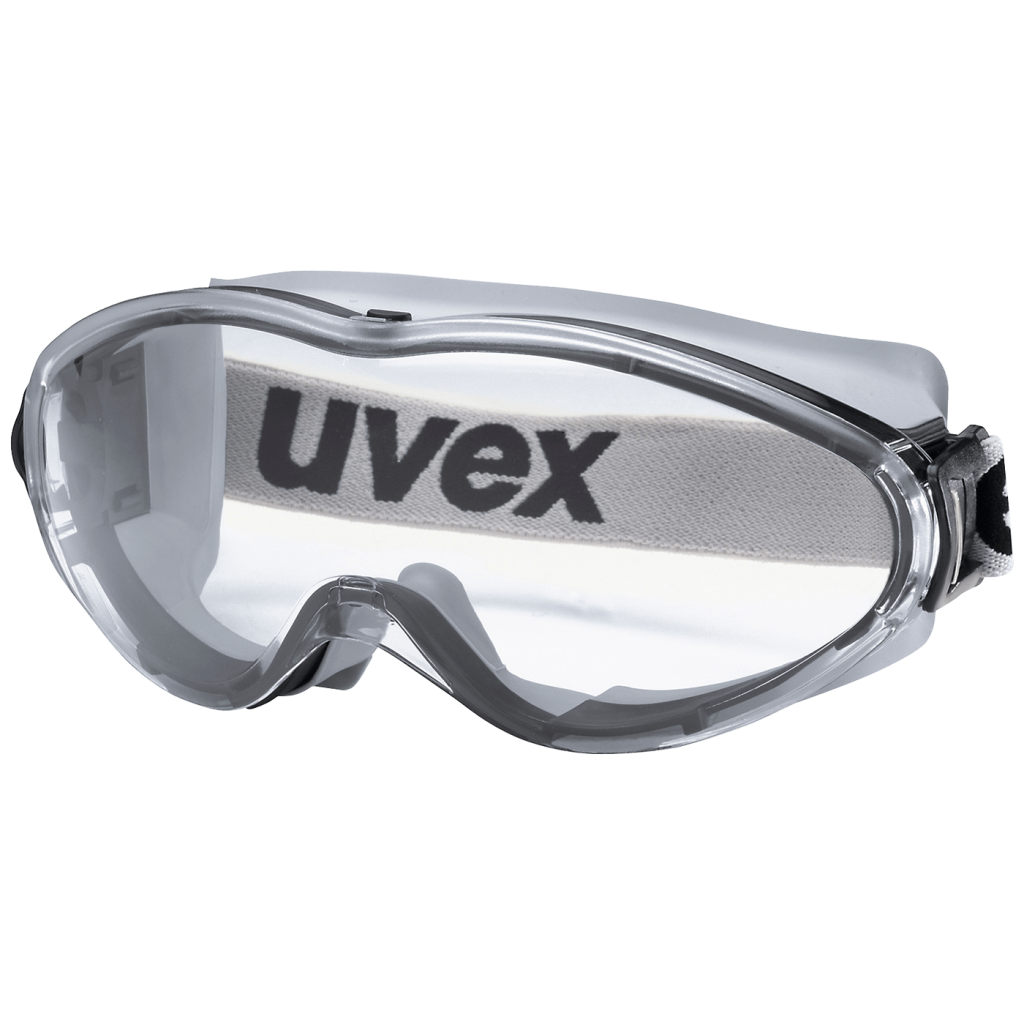
Safety glasses Uvex
Safety glasses with a comfortable fit that seal completely against the face and eyes. Good ventilation in the frame. Polycarbonate lens...
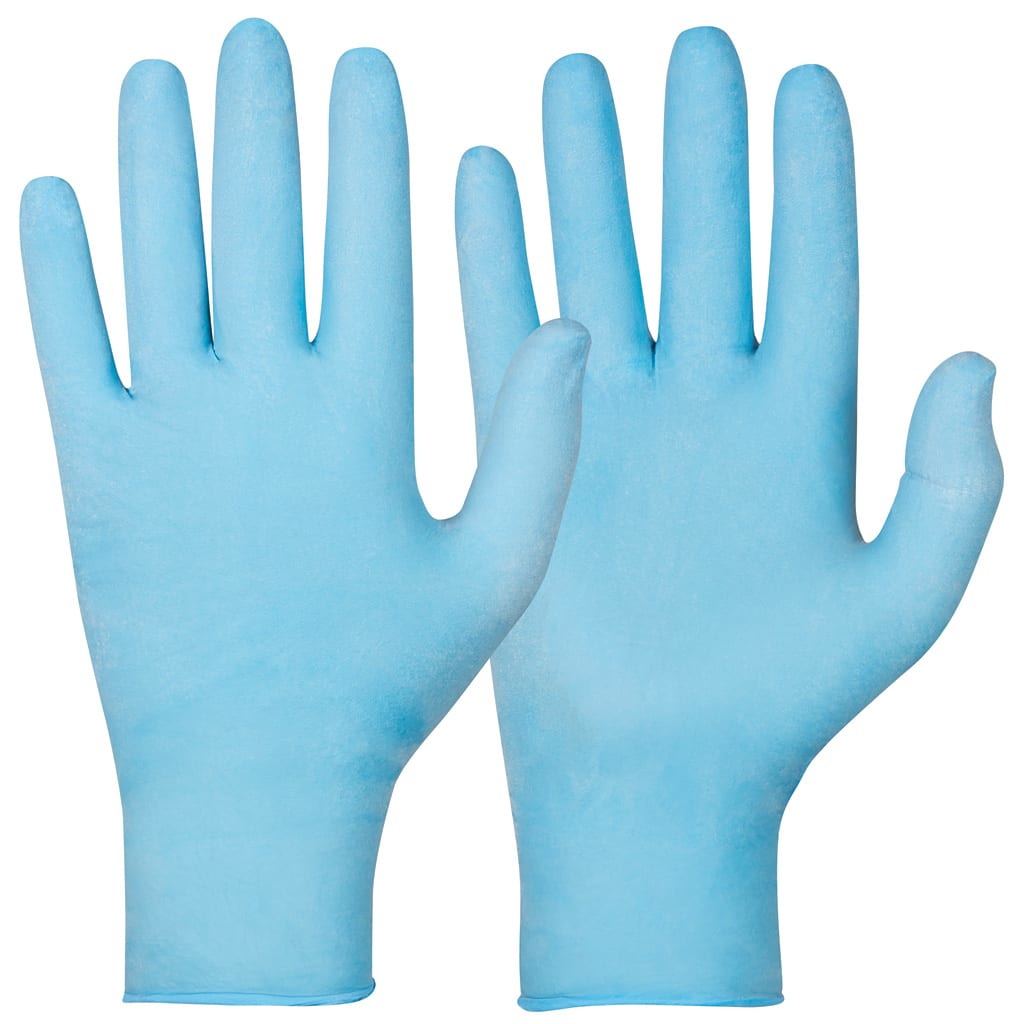
Disposable gloves Nitrile M 100 pcs.
All our nitrile disposable gloves are approved for contact with food. You can find the symbol (glass/fork) on the box, for example. Disposable gloves are made...
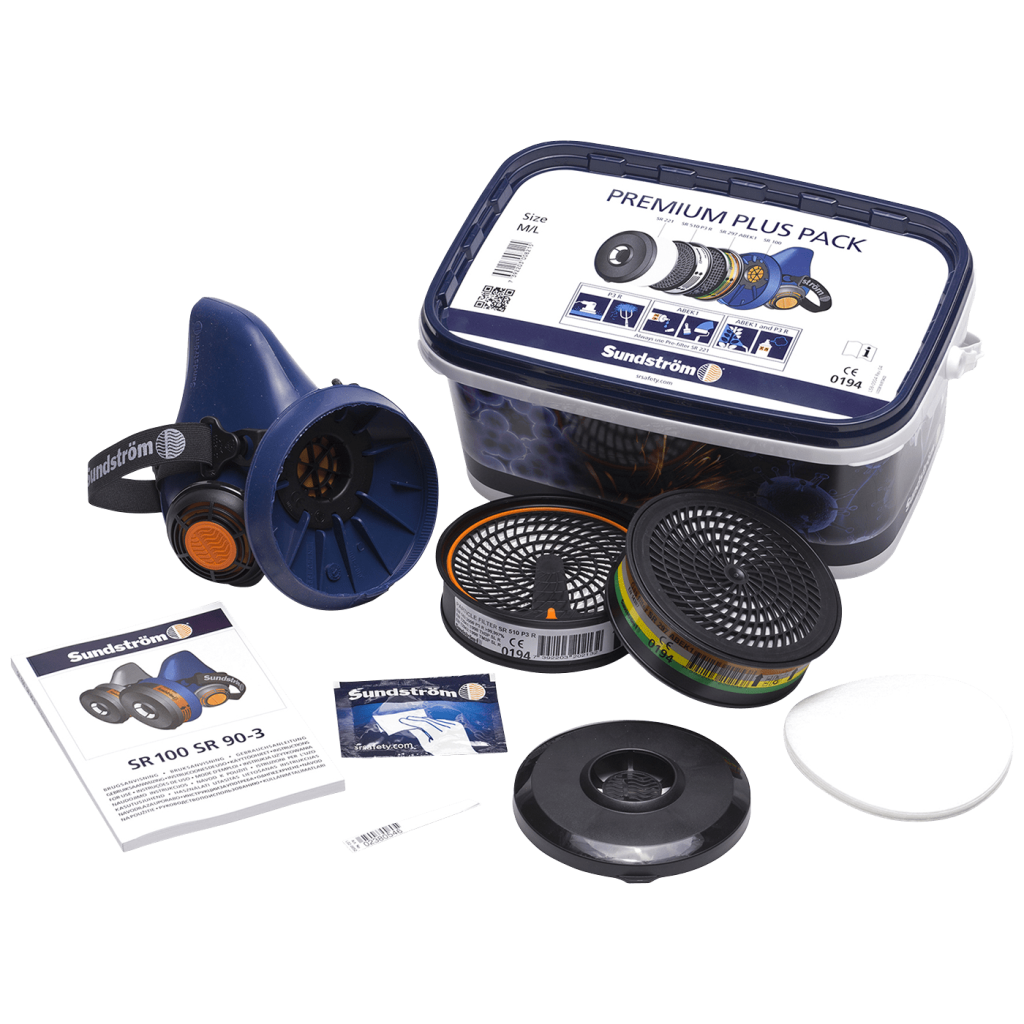
Half mask Sundstrøm M/L set with filter
Packaged in a storage box for dust-free storage. The box contains half mask SR 100 M/L, particle filter SR 510 P3, gas filter SR 297 ABEK1,...