



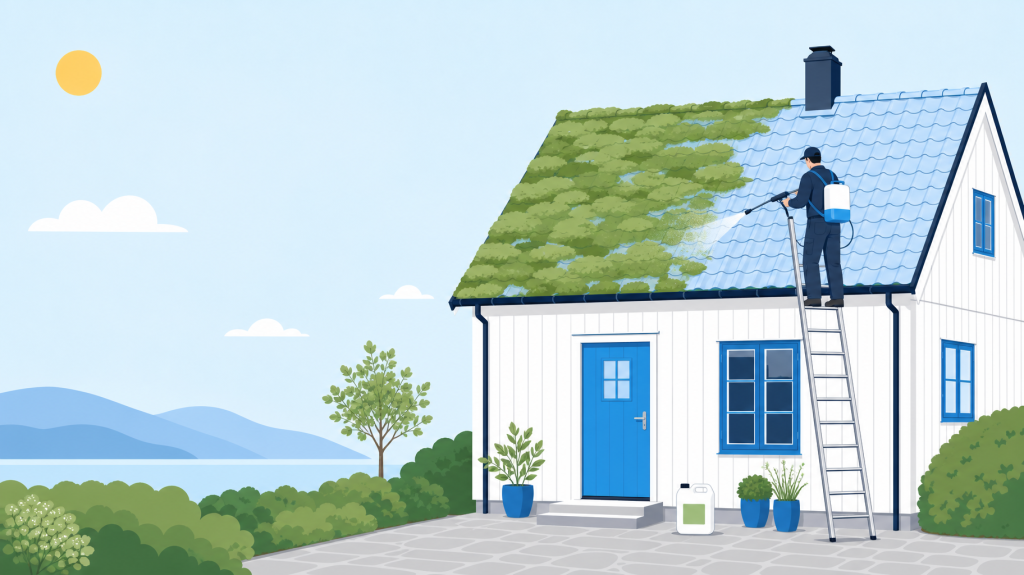
Can you see green patches on your roof tiles, paving stones or façade? If so, you’re in good company – and fortunately, it’s easier to deal with than most people think. You don’t need to scrub or use a high-pressure washer. This guide shows you how to remove moss and lichen using a concentrated cleaning agent, which sprayer is best for the job, and how to avoid the most common mistakes.
Does the moss actually do any harm?
Yes, unfortunately. Moss and vegetation act like a sponge, trapping moisture against the surface. On roofs, this increases the risk of frost damage and a shorter lifespan for the roof tiles, because the water freezes and expands within the pores. The roots also work their way down into the surface and gradually break it up.
On paving stones, steps and terraces, the problem is a different one: moss makes the surface slippery and dangerous when it rains. And on building façades, it detracts from the appearance long before it actually causes any damage. What all three have in common is that it is far cheaper to treat the problem than to leave it.
Typical places you should check
- The north side of the roof and everything in the shade
- Paving stones and steps – where it gets slippery in autumn
- Joints, edges and transitions where water collects
- Gravestones, walls and pots
How to remove moss – without scrubbing
You don’t need to climb onto the roof with a broom. You simply apply a cleaning agent mixed with water, leave it to work – and let nature do the rest. The moss and roots gradually dry out and die, and the rain and wind will wash away the dead moss over time. No scrubbing, no high-pressure hosing.
That is also why the method is gentle: High pressure often strips away the surface of the roof tiles and makes it more susceptible to new fouling than before. Chemical treatment only attacks the fouling.
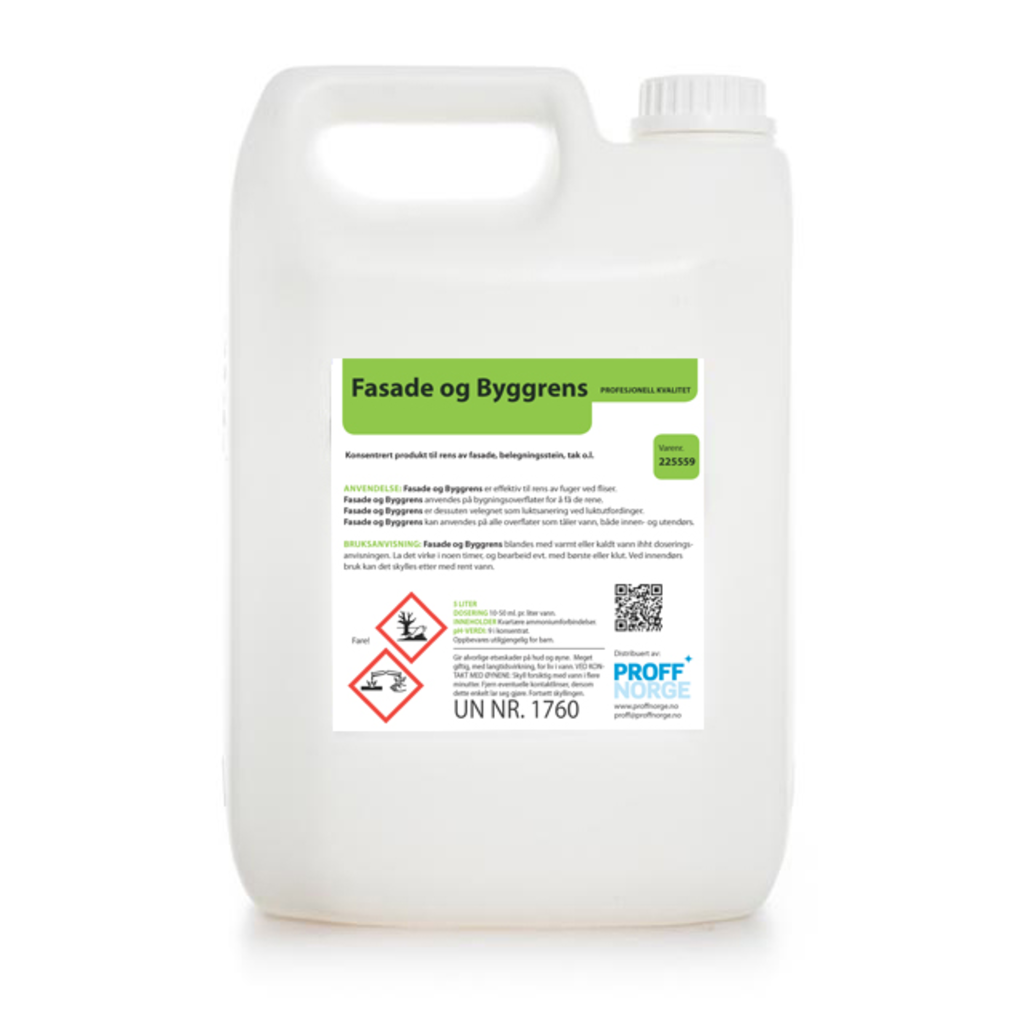
- Mix the concentrate with water – 10–50 ml per litre, depending on how heavy the fouling is.
- Apply evenly to a dry surface using a low-pressure sprayer or a pump sprayer.
- Leave the product to take effect. In the case of moss and foliage, it should not normally be rinsed off.
- Let nature take care of the rest – rain and the weather wash away the dead moss.
Choose the correct dosage
- Light greening and prevention → 10–20 ml per litre
- Moderate fouling → 20–35 ml per litre
- Thick, old moss → 35–50 ml per litre
Tips from professionals
- Always test on a small, inconspicuous area first – particularly on painted surfaces and aluminium.
- Cover any plants and vegetation beneath the work area, and water them thoroughly afterwards.
- Don’t rush to judge the results. The full effect takes weeks and months to become apparent, not hours.
The cleaning product you need
Choose a syringe to suit the job
The equipment determines how even the application will be and how long the job will take. A 1.5-litre pump sprayer is perfect for a gravestone or a few joints, but becomes a real struggle when covering an entire roof. In that case, it’s worth stepping up the capacity and getting a a spray lance that reaches up without having to climb.
Choose correctly
- Small surfaces – gravestones, joints, pots → 1.5-litre pump jug
- Medium-sized areas – terrace, driveway → 6-litre low-pressure sprayer with spray lance
- Large surfaces – roofs and façades → 12-litre low-pressure sprayer
Recommended application equipment


At what time of year should you do this?
Apply to a dry surface, ideally with a few days’ break in between. If it rains straight away, you’ll wash the product off before it’s had a chance to take effect. Spring and late summer are the best times of year in Norway – when it’s both dry and warm enough.
The treatment also prevents new moss from growing. If you do the job now, the surface will stay looking good for a long time – and the next time you have to do it, it’ll be a much smaller job.
Good conditions
- A dry surface and a forecast of dry weather for at least one or two days
- No wind – you don’t want the wind blowing against windows, cars and plants
- Avoid direct, scorching sunlight, which dries out the product before it has had a chance to take effect
Protective equipment – don’t skip this
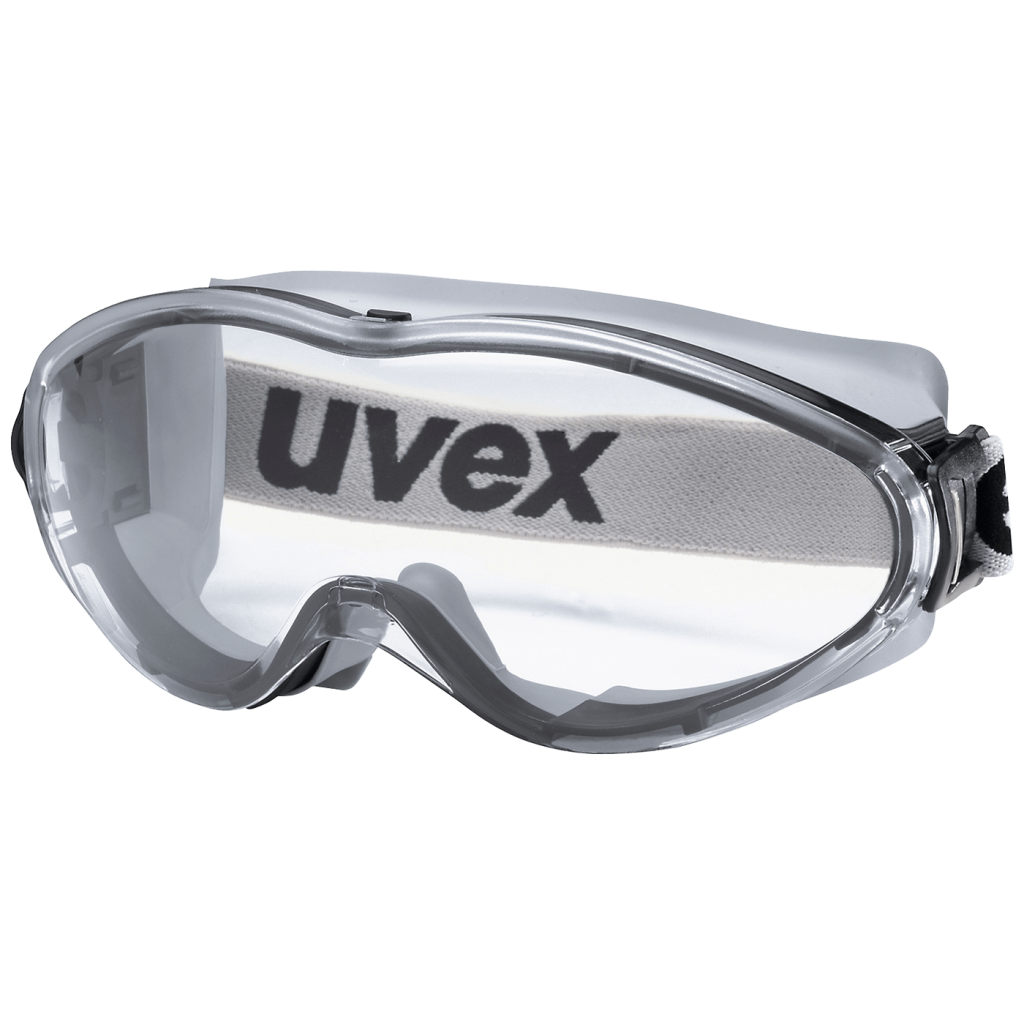
The product is corrosive in concentrated form. The risk is greatest during mixing and filling, not during the actual application. And because you often spray upwards towards the ceiling and façade, the liquid splashes back down – safety goggles are not optional.
Minimum requirements for mixing and application
- Safety goggles – always, even at low doses
- Chemical-resistant gloves with long cuffs
- Covering clothing, or disposable coverall for larger jobs
- Make sure you have clean water available for rinsing
Recommended protective equipment


Frequently Asked Questions
Do I need to rinse it off afterwards?
No. When used on moss and foliage, the product should not normally be rinsed off – it is precisely the reaction time that does the job. When used as a standard cleaning product on other surfaces, rinsing may be necessary.
How long will it take before I see results?
Vegetation and algae often fade within a matter of days. Thick moss takes longer – it dries out, loses its grip and is washed away by rain and wind over the course of weeks and months. Patience is part of the method.
Can I use it on paving stones and tiles?
Yes. The product is designed for use on roofs, façades, paving stones, tiles and grout – any surface that can withstand water. However, you should test it on a small area first, particularly on painted or treated surfaces.
How far does a 5-litre jug go?
It depends on the dosage. At 20 ml per litre, 5 litres of concentrate yields around 250 litres of ready-to-use mixture – enough to cover a good number of square metres of roof. In cases of heavy growth and at higher dosages, the mixture will last for a correspondingly shorter period.
Is it better to use a high-pressure washer?
Rarely. High-pressure washing removes the moss immediately, but often strips away the surface layer of the roof tiles. This makes the surface more porous – and new moss takes hold more quickly than before.
In a nutshell
Correct cleaning agent, correct dosage and the right sprayer gives you a clean roof and safe paving stones without the need for scrubbing or high-pressure washing. The treatment also prevents new growth, so the next round will be easier.
Not sure about the dosage or which equipment is right for your job? Get in touch – we’d be happy to help you put together the right package.