




Damp in the cellar, water in the garage, or a building site that needs drying out? It’s tempting to reach for the dehumidifier straight away, but the order in which you tackle the problem determines how quickly the room actually dries out. The rule of thumb is simple: remove the water, get the air moving, then dehumidify.
Remove the water, get the air moving, dehumidify
- Drain the water. If there is water on the floor, it must be removed first. A pump or water extractor will do the job. A dehumidifier is not designed to mop up standing water; it dries the air.
- Get the air moving. A drying fan helps draw moisture out of floors, walls and materials and into the air, where the dehumidifier can collect it. With a fan in the room, the dehumidifier works much faster.
- Dehumidify. The dehumidifier removes moisture from the air and dries out the room. A compact condensation dehumidifier is suitable for standard basements and rooms, whilst larger rooms and more demanding drying jobs require greater capacity.
And remember: Materials can look dry long before they actually are. Leave the equipment to dry until it has been checked to be dry – ideally by measuring it with a moisture meter.
Three questions to help you choose the right dehumidifier
- How big is the room? The size determines how much capacity the dehumidifier requires.
- How warm is it where the items are to be dried? Condensation dehumidifiers work best at normal temperatures. In cold rooms, the drying process is slower.
- Is it a cellar, a home, a garage or a building site? The room says a lot about how rough a handling the equipment has to withstand.
Three machines that illustrate the mnemonic
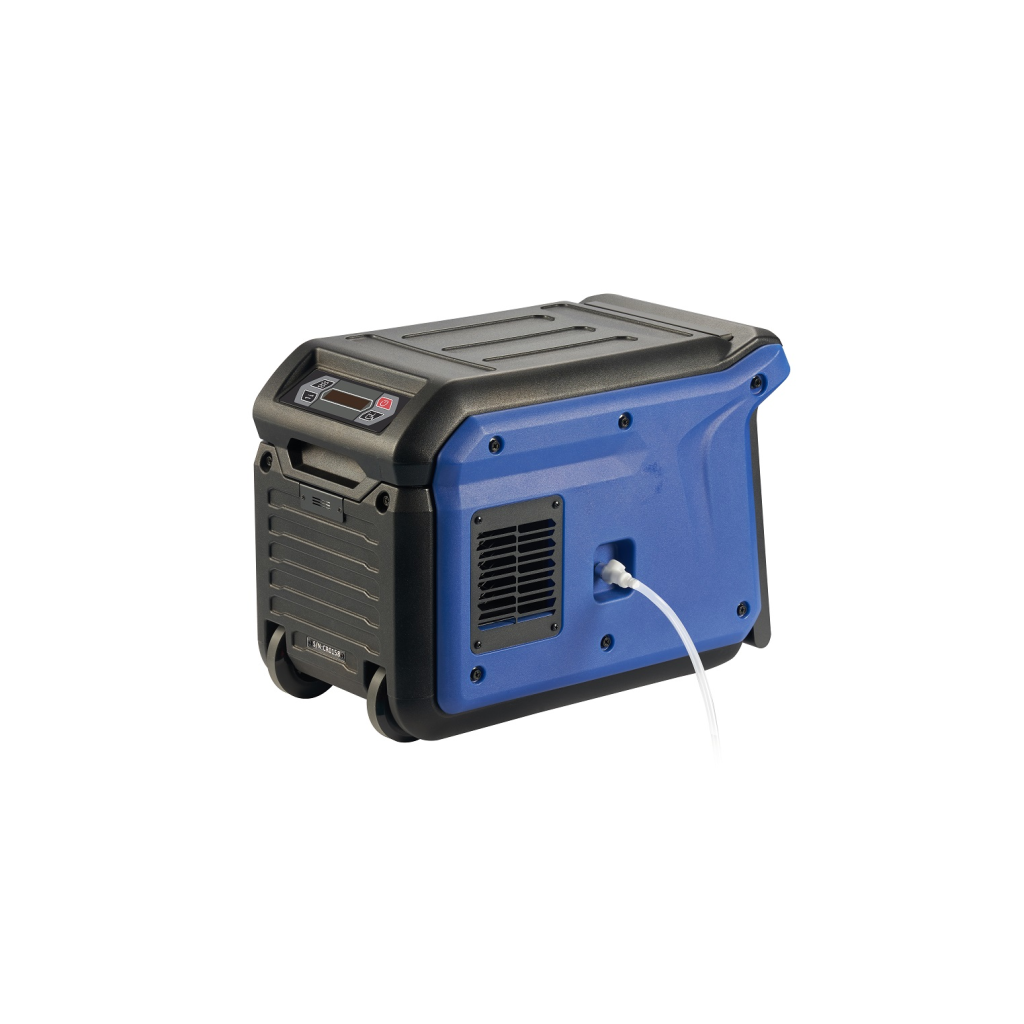
Condensation dehumidifier PNA35
The PNA35 is a compact yet powerful condensation dehumidifier that efficiently removes up to 35 litres of water per day at 30°C/80%RH...
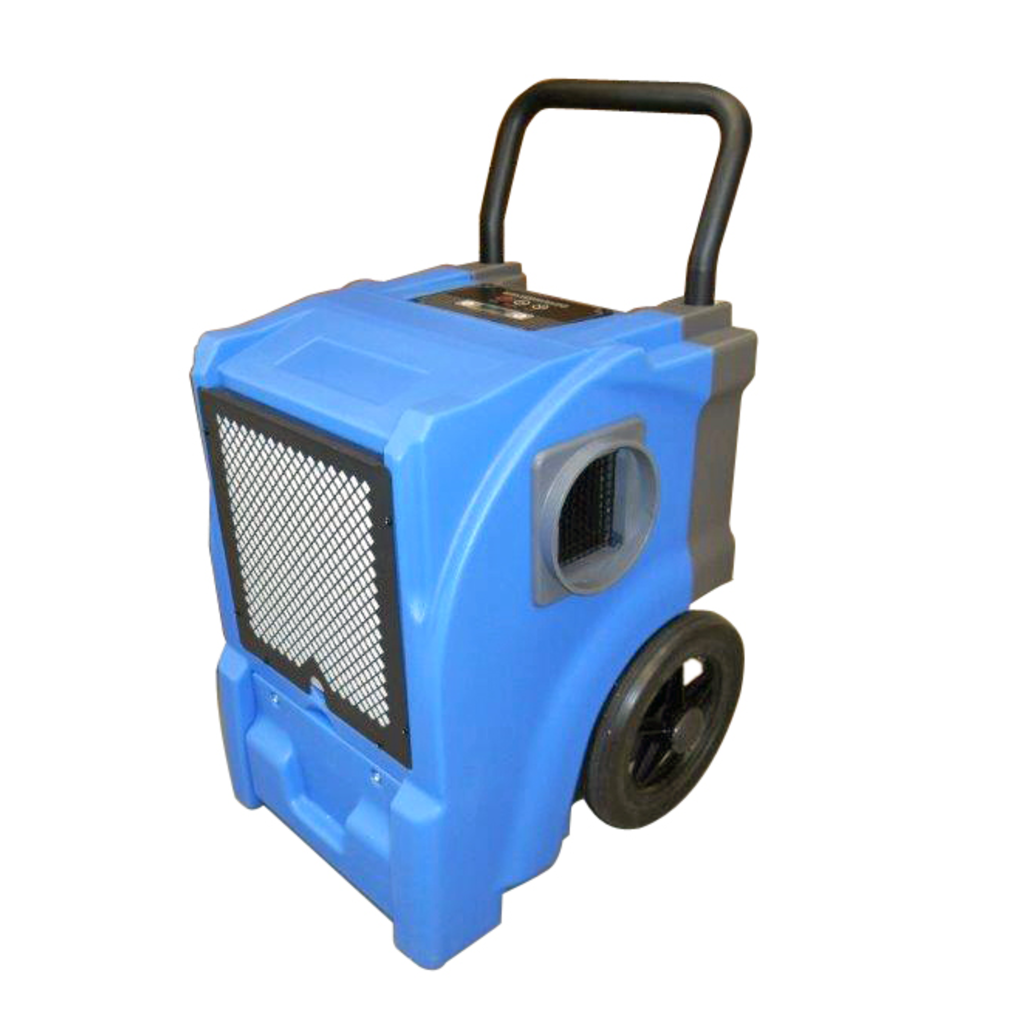
Condensation dehumidifier PNA55L
The PNA55L is a compact and powerful dehumidifier moulded in impact-resistant polyethylene for maximum durability. It removes up to 55 litres of water...
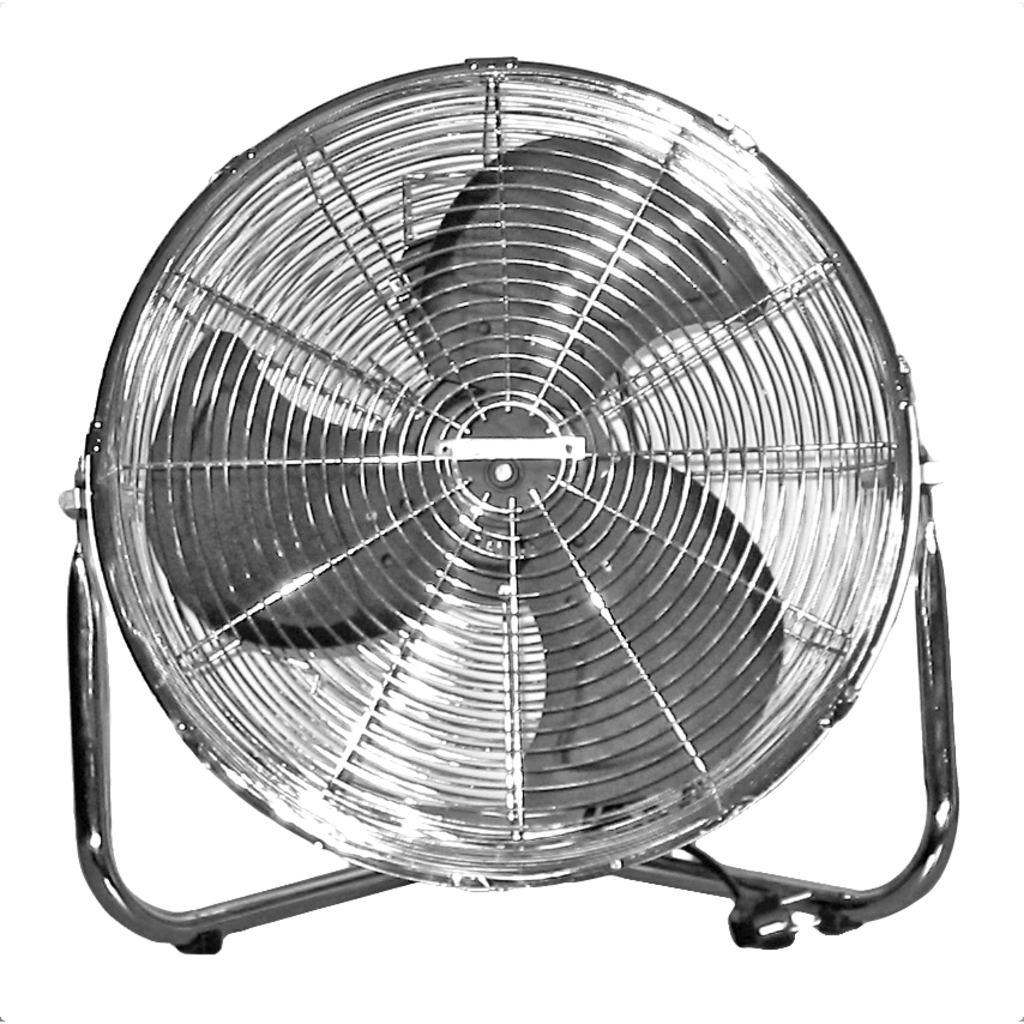
Proff Axial 50 cm drying fan with floor stand
Industrial fan in chrome-plated steel with aluminium blades and low floor stand. Equipped with 3-speed fan speed that effectively cools large areas in...
Do you need help choosing, or do you need equipment for a larger job? Get in touch, and we’ll put together the right solution for you.