



The correct method for drying, water management and dust control saves time, cuts costs and improves health and safety. This guide shows a simple sequence that works in the field – with documentation that can withstand subsequent checks and strengthens your position in competitions with climate and environmental weighting.
Drying – the right principle and even air flow
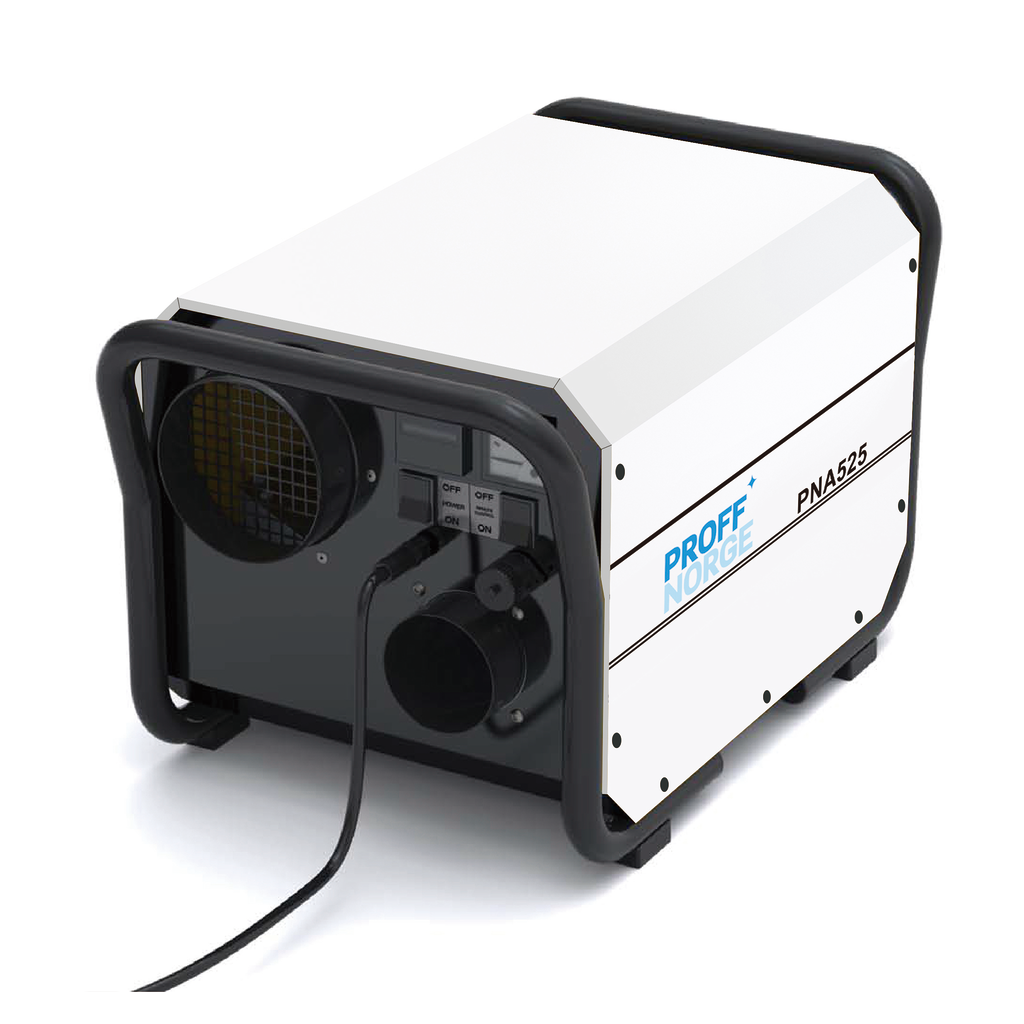
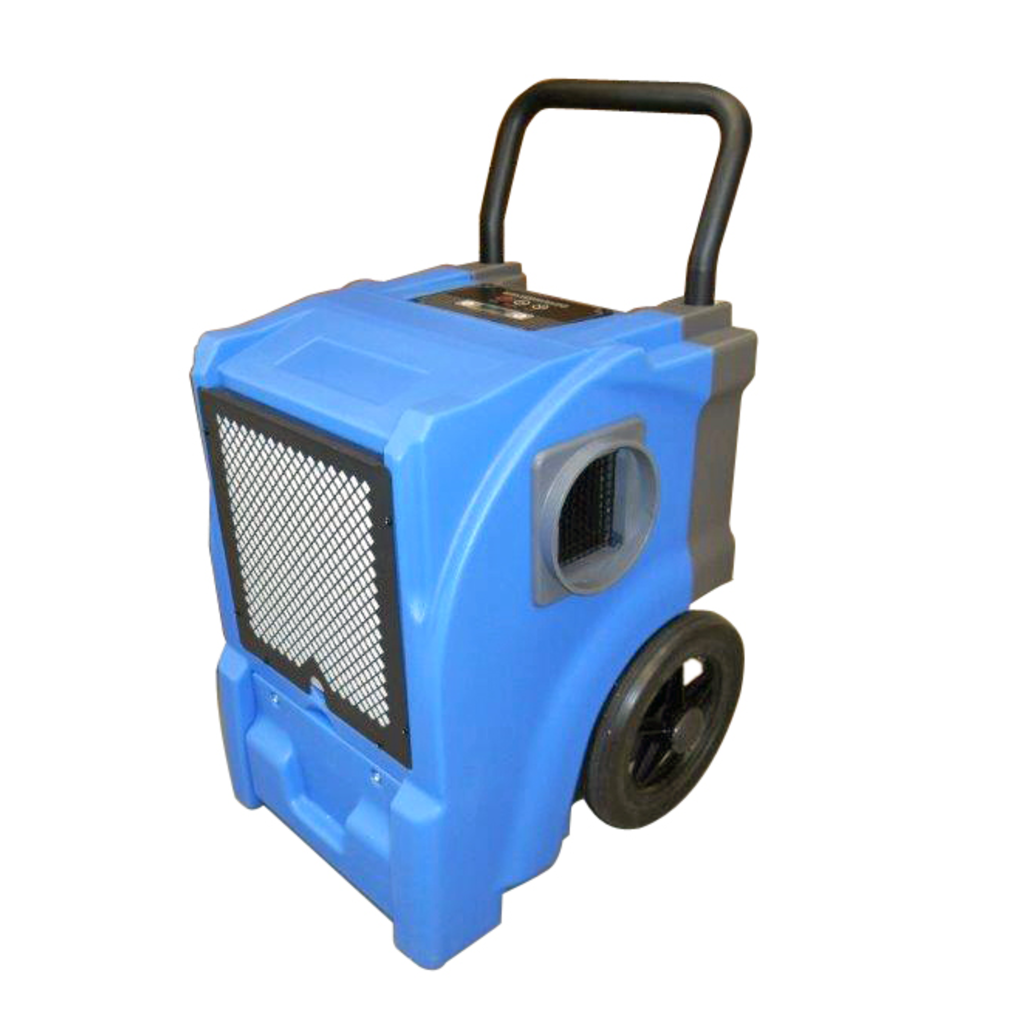
Good building drying is not just a matter of installing a dehumidifier and hoping for the best. The goal is for the materials to reach the correct weight percentage and the air to reach the correct RH (relative humidity), so that further work can be carried out safely and without the risk of hidden moisture damage. The choice of technology is determined by the climate and building geometry: condensation dehumidifier is most effective at normal temperatures and with good air circulation, while adsorption dehumidifier provides stable and effective heating in colder, unheated areas or structures. Good air circulation is important for higher efficiency and shorter drying times – stagnant air causes significant delays.
To make the right choices in practice, it is useful to have simple guidelines and experience-based advice. Here is an overview to help you dimension correctly, avoid common mistakes and find equipment that suits the situation.
Choose correctly
- Warm and airy → condensation dehumidifier
- Cold, dense or concrete → adsorption
Tips from professionals
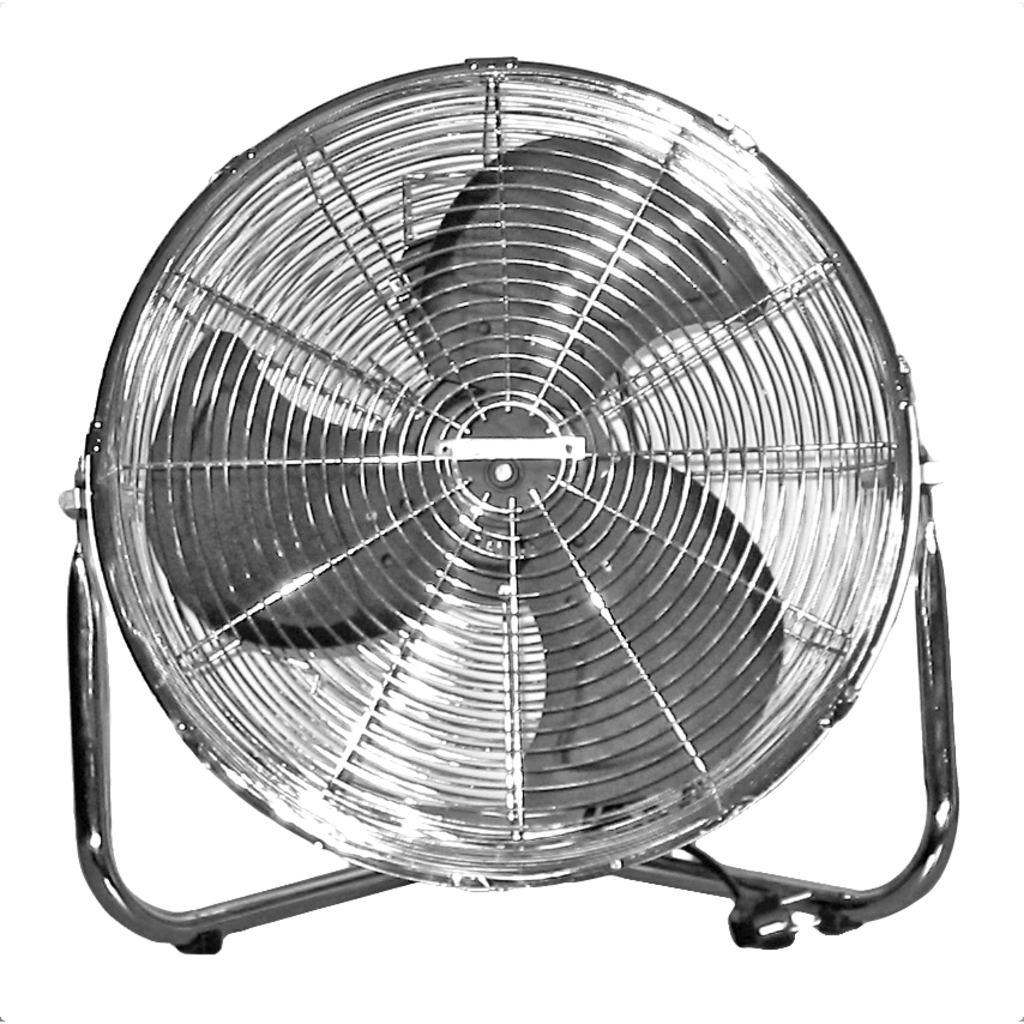
- Start by installing fans before installing additional dehumidifiers.
- Set data logger also in corners – they first indicate whether the capacity is too low or good.
Recommended products
Water – from the emergency phase to controlled building drying
Once water has penetrated, it is crucial to act quickly and systematically. The biggest mistake made on construction sites is to «solve» the water problem with a one-off measure, without ensuring further drying and a stable climate.
Choose correctly
- Deep ponds → lens pump
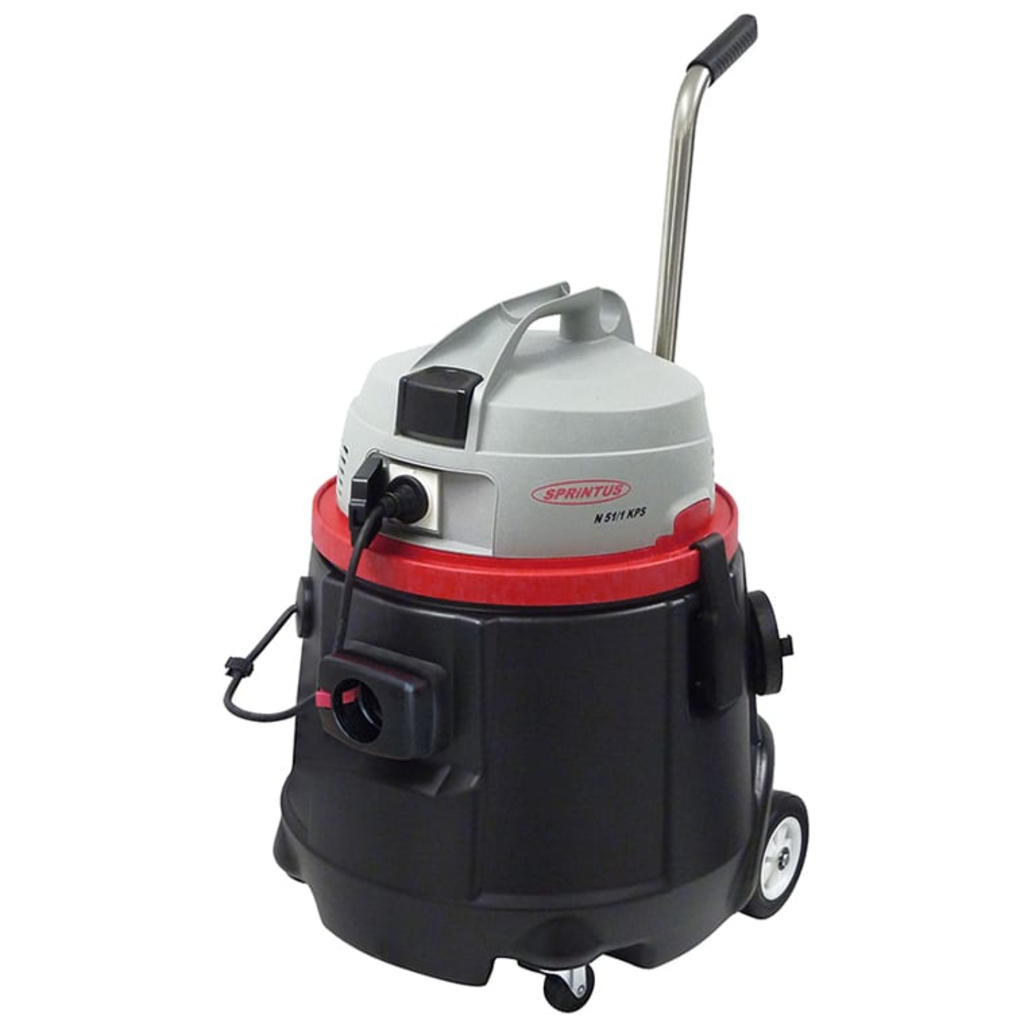
- Residual water → water vacuum cleaner
- Low level → millimetre pump
Recommended products


Dust – correct class and zone classification
Dust management is often underestimated, but quartz dust is one of the most serious health risks on construction sites.
Choose correctly
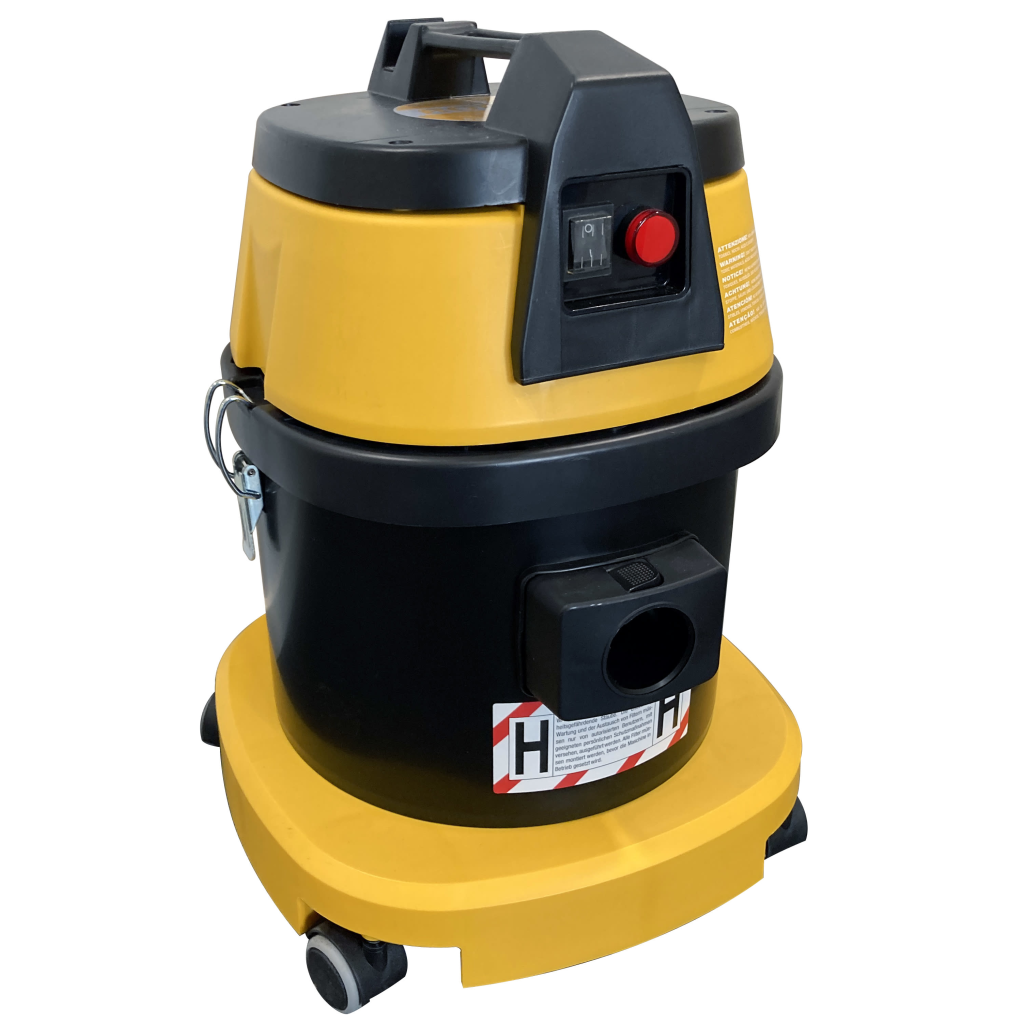
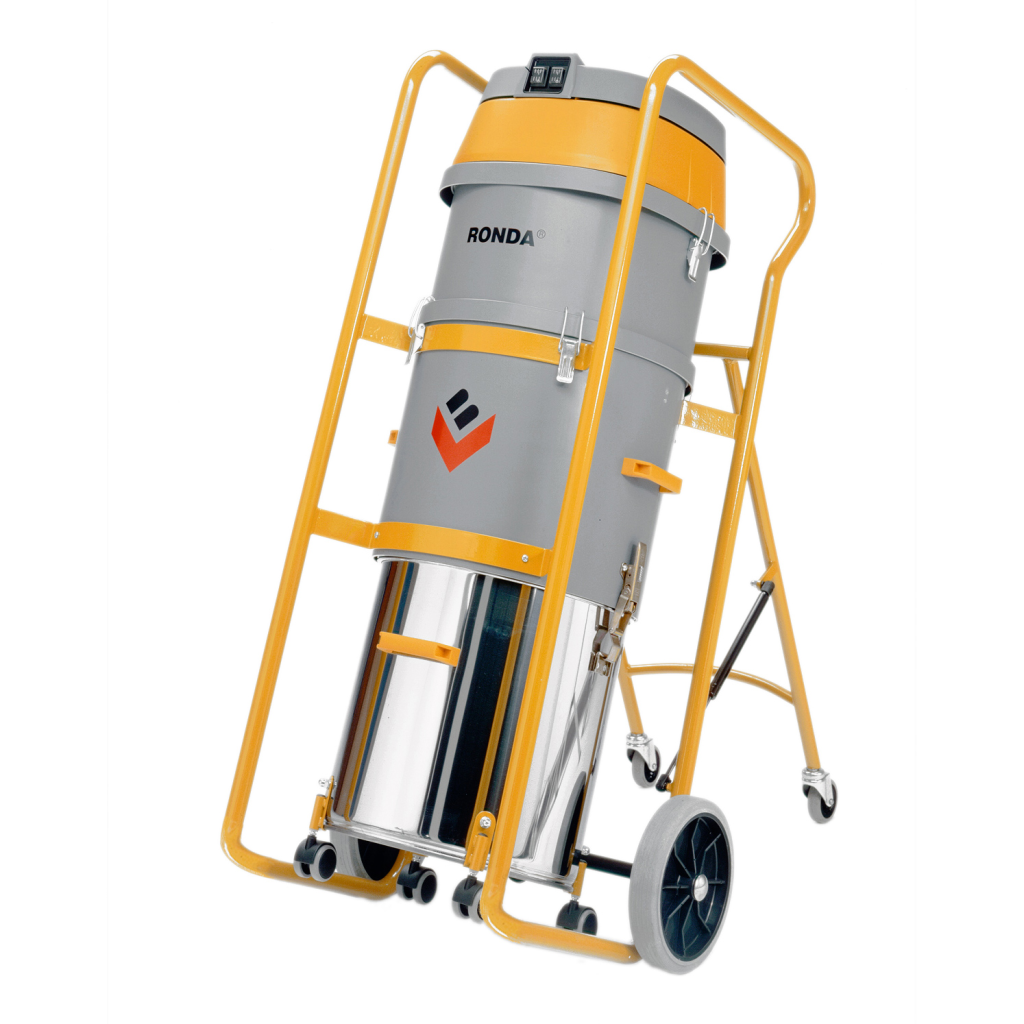
- General dust → M-class
- Hazardous dust → H-class
- Particulate matter in rooms → HEPA air purifier
Recommended products

Protective equipment
Technical measures are always the first choice, but protective equipment is the last and most important barrier when other measures are not enough.
Choose correctly
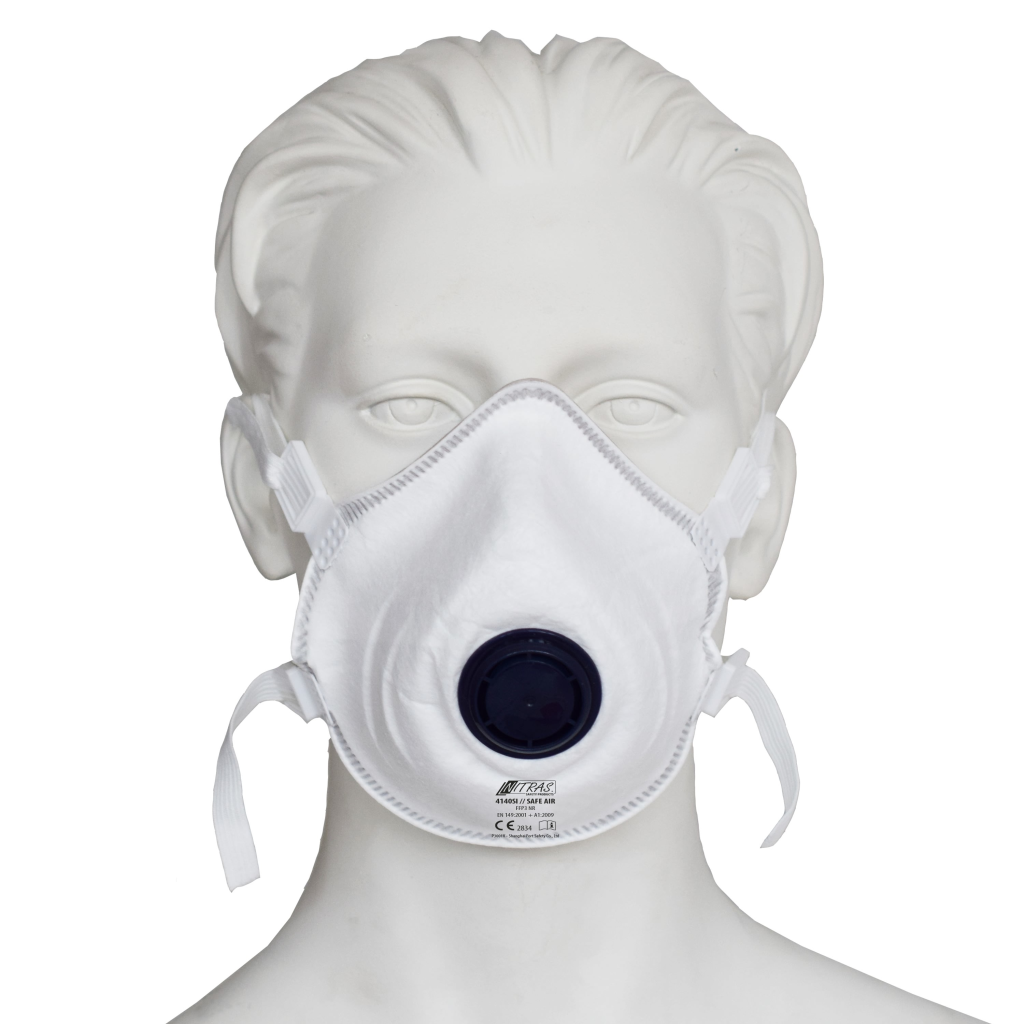
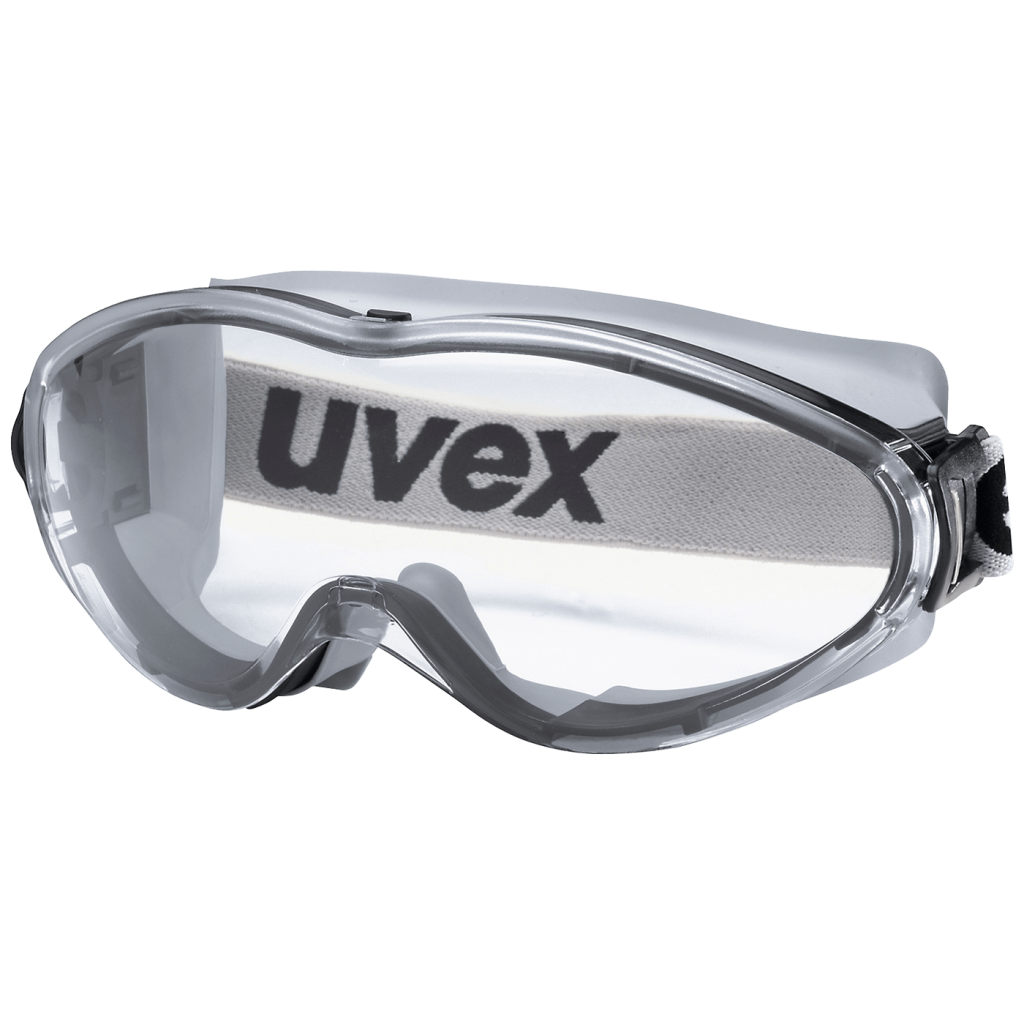
- Minimum: P3 filter, safety goggles, gloves and clothing
- Dust hazardous to health: tested respiratory protection, use an approved business
Recommended products

Securing and covering – zones that work in practice
Good protection on construction sites involves both protecting finished surfaces and preventing dust and dirt from spreading.
Conclusion
With the right method for dry, water, dust, protective equipment and safety you will experience fewer deviations, a better working environment and more predictable progress.