



What do you do when the floor still feels sticky after washing, or the limescale stains in the bathroom just won’t come off? The solution isn’t necessarily to use more cleaning product. Often, it’s simply a matter of choosing the right product, using it correctly and giving it time to work.
In this episode of Professional podiums We’re talking about chemicals and methods for professional cleaning. Here, we’ve put together some tips you can take with you into your day-to-day work.
A clean appearance doesn’t tell the whole story
Once the coffee stain has gone and the floor looks clean, it’s easy to think the job is done. But appearance alone doesn’t tell the whole story when it comes to hygiene. There may still be dirt, microorganisms or traces of cleaning products left on the surface.
A good result therefore starts before you even pick up the mop. Consider what you need to remove, what material you’re cleaning, and which method is best suited. Grease on a kitchen floor requires a different approach to limescale in a shower.
Start with the loose, dry dirt as well. Dust, sand and debris should be removed using a suitable dry method before washing with water. Otherwise, you risk mixing the dirt with the washing water and spreading it around instead of removing it.
Choose the right cleaning product for the type of dirt
You don’t need to be a chemist to choose the right cleaning product. But it helps to know the difference between acidic, neutral and alkaline products.
Acidic cleaning products are often used to tackle mineral deposits such as limescale, rust and urine stains. Neutral products are often suitable for lighter, everyday cleaning. Alkaline products are used, amongst other things, to remove grease and other organic dirt.
pH is a useful indicator here. The scale ranges from 0 to 14, with acidic solutions below 7, neutral solutions around 7 and alkaline solutions above 7.
At the same time, pH alone does not indicate how well a product cleans, or on which surfaces it can be used. The overall composition is what matters. Nor does the fact that the scale is logarithmic mean that a product cleans ten times better with each step.
Also bear in mind the difference between the concentrate in the bottle and the ready-to-use solution. Follow the dosage recommended by the manufacturer, rather than estimating the amount based on the pH or how dirty the surface looks.
If you’re not seeing results, look beyond the dosage
Cleaning is based on the interaction between four factors: temperature, chemistry, contact time and mechanical action.
It’s all too easy to pour in a bit more cleaner when the dirt is stubborn. But using more cleaner can mean more cleaning up afterwards. Any residue left behind can make the floor sticky and cause new dirt to stick to it.
Instead, consider how you’re using the product. Have you left it to work for long enough? Are you using a cloth, mop or brush that’s suitable for the job? Is the temperature within the manufacturer’s recommended range?
For a stubborn grease stain, the correct application time and a little extra scrubbing may be more effective than a stronger solution. However, both the equipment and the method must be suitable for the surface. A coarser brush is not a good solution if it damages the surface.
Warmer water isn’t always better either. Too high a temperature can affect the product and the material you are working on. You should therefore follow the instructions for use, including those relating to water temperature.
Check what the surface can withstand
A cleaning product may be suitable for the dirt, but unsuitable for the material underneath.
Limescale remover is a typical example. It can remove limescale build-up in the shower, but it can also damage limescale-containing materials such as marble and certain types of terrazzo. This can result in etching and matt patches that cannot be remedied by normal washing.
On varnished wooden floors, you must take particular care with the amount of water you use. Too much water can seep into the joints and cause damage, making the wood swell. Use a well-wrung mop and follow the floor supplier’s maintenance advice.
Sports floors also require careful attention. Handball glue can be difficult to remove, whilst the floor finish must be protected. Use a product that is suitable for the floor, apply the correct amount and adhere to the recommended processing time. Wipe away the cleaning water thoroughly and rinse if the instructions for use require it.
If you’re unsure what a surface can withstand, you should check this before you start work on the whole area.
Work systematically, and you won’t have to do the job all over again
A good sequence of tasks makes cleaning both easier and more hygienic.
Start at the top and work your way down. That way, you’ll avoid dust and dirt falling onto surfaces you’ve just cleaned. Also, work from cleaner areas towards dirtier ones.
Fold the cloth so that you have several clean sides to use. When one side is dirty, turn it over to a clean one. Change the cloth when it becomes soiled, and when moving between areas that should be kept separate, such as from the toilet to the kitchen.
Colour-coding makes it easier to keep track of equipment. Red is often used for toilets and urinals, whilst blue is typically used for general surfaces. Follow the colour-coding system and procedures in the workplace. The aim is to ensure that equipment has a clearly defined area of use, so that you do not transfer dirt and microorganisms between zones.
Also bear in mind your working posture. Keep the equipment close to your body, lower your shoulders and move your feet forward rather than stretching your arms out too far. This makes it easier to work with even pressure and reduces strain.
Clean before disinfecting
Disinfection is no substitute for cleaning. If there is grease, dirt or biofilm on the surface, this can protect the microorganisms and reduce the effectiveness of the disinfectant.
When disinfection is required, the surface must therefore first be cleaned in accordance with the applicable procedure. You should then use a disinfectant suitable for the task, for example Proff Elyte where the product is suitable for use.
Follow the instructions for dosage, application and contact time. The product needs time to take effect, and the surface must be kept wet for as long as specified in the product instructions. If you wipe it off too soon, you risk the treatment not having the desired effect.
Use chemicals safely
Good safety procedures are part and parcel of the job, even when you’re using products you know well.
Choose gloves that are suitable for the chemical you are handling. Nitrile gloves may be a good choice for many tasks, but no type of glove offers protection against everything. Check the safety data sheet for requirements regarding materials, protective equipment and use.
Do not mix cleaning products on your own initiative. Acidic products and chlorine-based products can, when mixed, release toxic chlorine gas.
If corrosive chemicals come into contact with your eyes, you must start rinsing them immediately with running water. Rinse for at least 30 minutes and seek medical attention. Follow the first-aid instructions for the product and continue rinsing if advised.
Make it easy to do the right thing
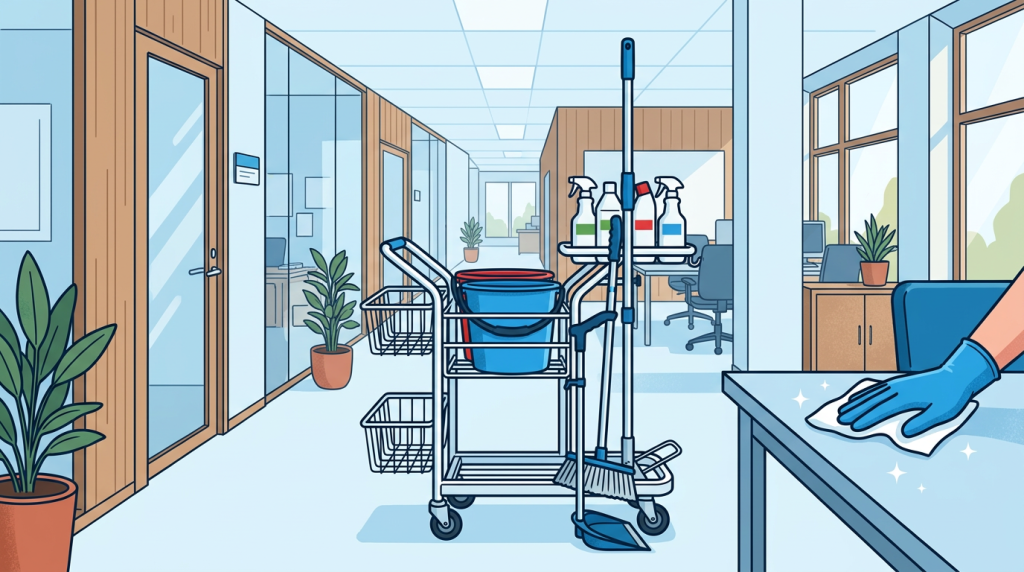
It is easier to follow good procedures when the right products and the right equipment are to hand. Clear labelling, well-organised storage and a cleaning trolley containing everything you need help to avoid unnecessary interruptions.
If you need equipment for your daily cleaning, you’ll find, amongst other things, starter pack containing cleaning products, cleaning trolley with accessories and Proff Elyte in our online shop.
The most important thing, however, is that the products are suitable for the tasks at hand, and that everyone who uses them knows how to measure them out and use them.
Get started with proper cleaning
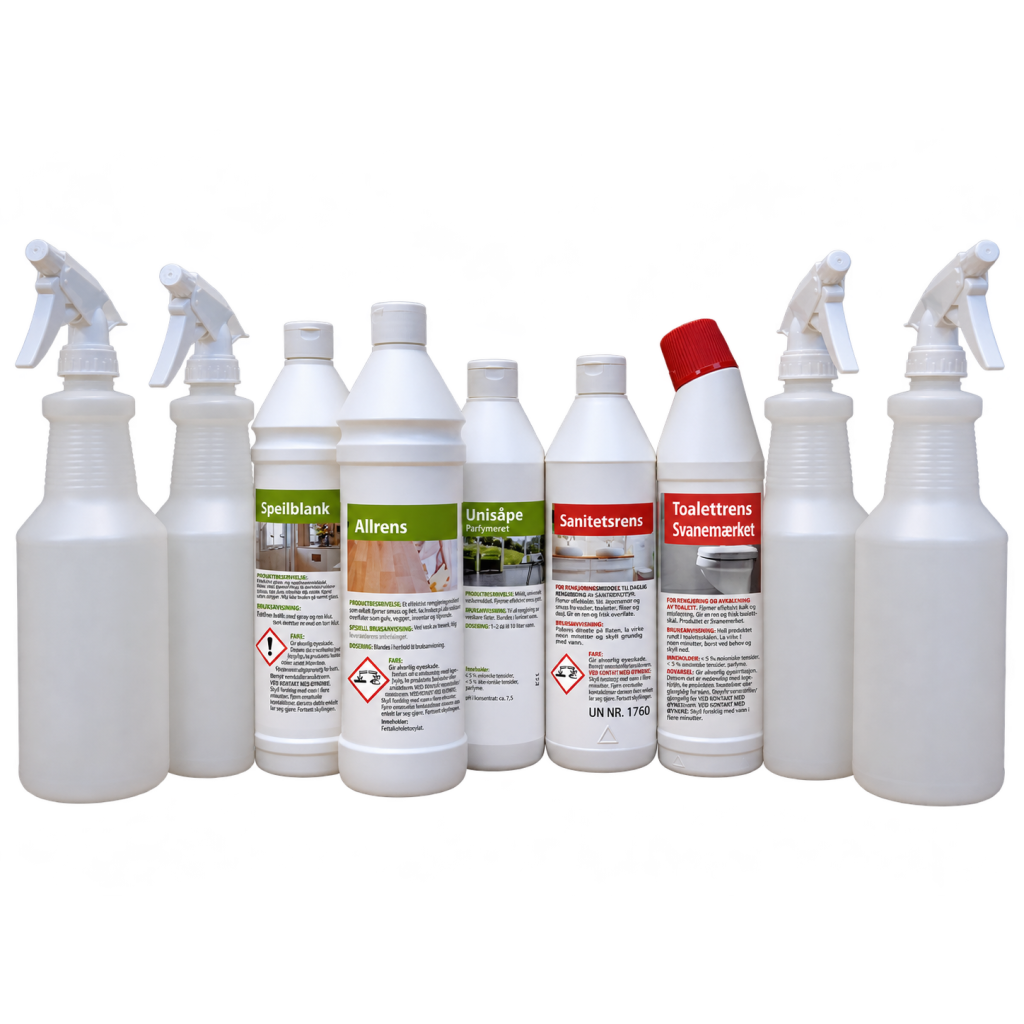
Starter pack for daily cleaning chemicals
Starter pack – cleaning products for daily cleaning A handy starter pack containing cleaning products for floors, furniture, glass, mirrors and bathrooms. The products complement...
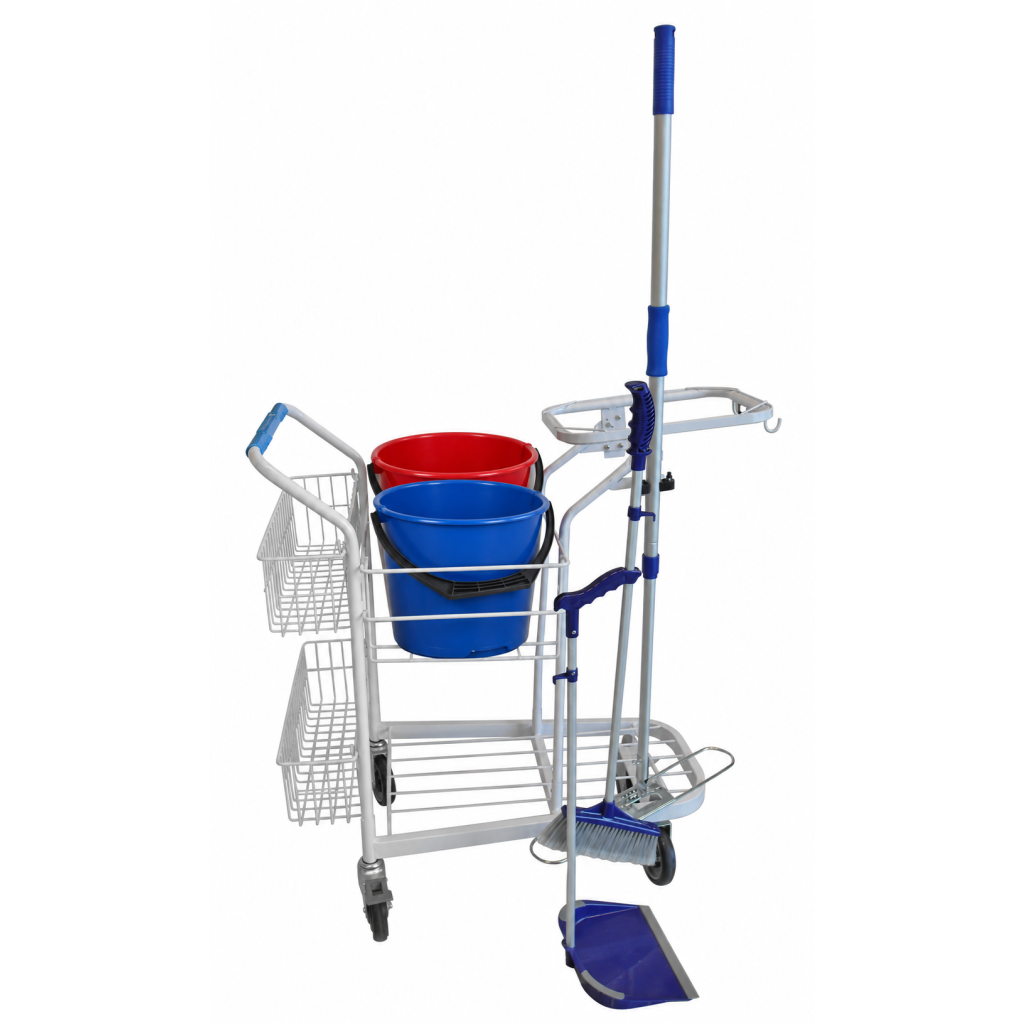
Proff Cleaning Trolley Starter Pack
Cleaning starter pack: We supply a cleaning starter pack, comprising a simple, sturdy trolley with accessories. The trolley is made of...

Proff Elyte
What is Proff Elyte? Proff Elyte® disinfectant is an alcohol-free disinfectant solution made from pure water and high-quality...
Do you want to hear the whole conversation?
Listen to the episode «Chemistry and Methods for Professional Cleaning» on Proff Podden on Spotify.
Are you wondering which cleaning product is suitable for a particular surface, or how you can improve your cleaning routines? Get in touch with us at Proff Norge, and we’ll help you find a solution that works for you.